
Lifestyle
#SpotlightAfricaThrowBackSeries Ado-Ekiti Indigenes Celebrate the Life and Times of Late Chief Ogunremi
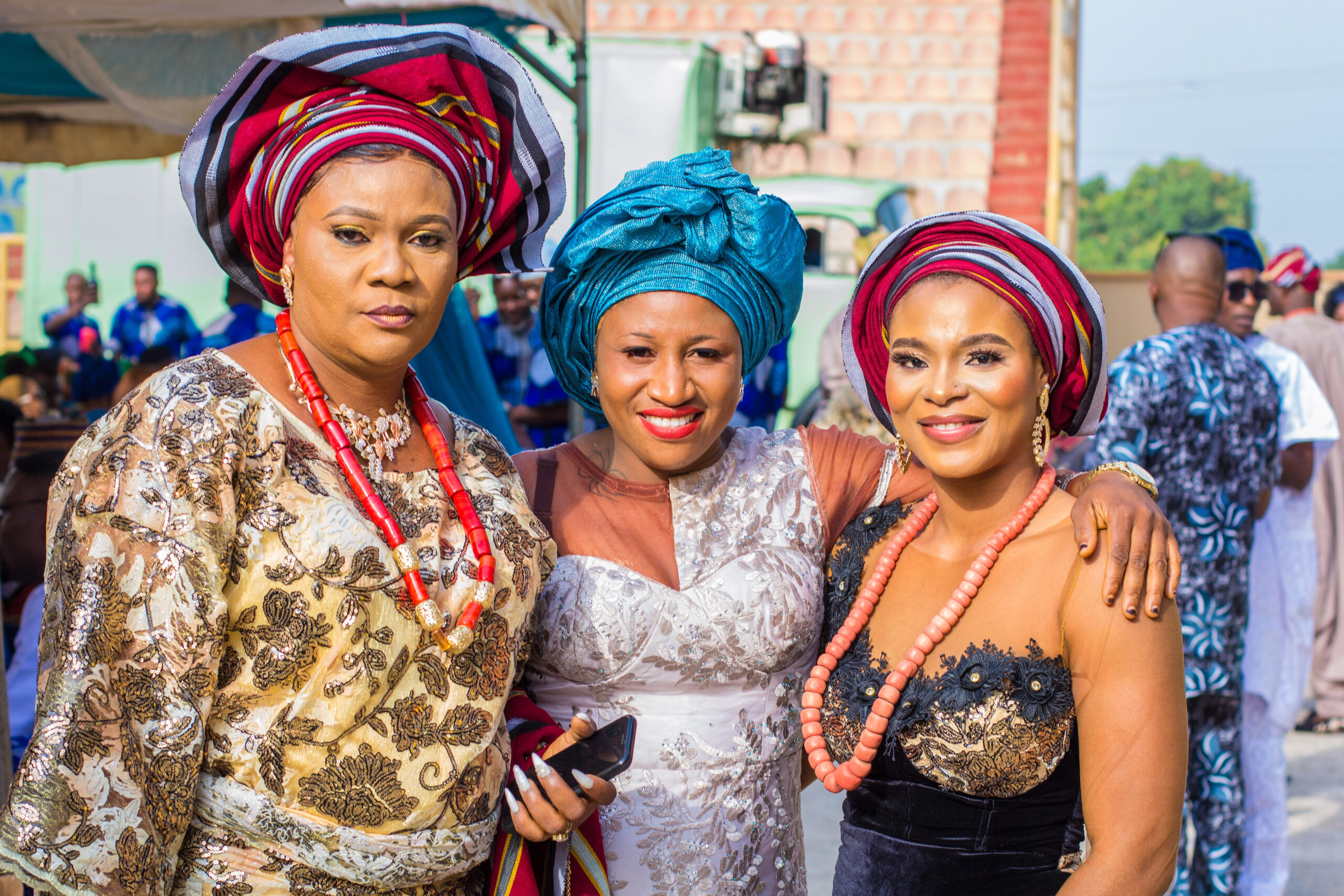
Ado-Ekiti witnessed an outpouring of tributes as family, friends, and dignitaries gathered to honour the life of High Chief Oluwasesan Ogunremi, the Barafon of Ado-Ekiti and a respected leader of the traditional warlord chiefs in the kingdom.
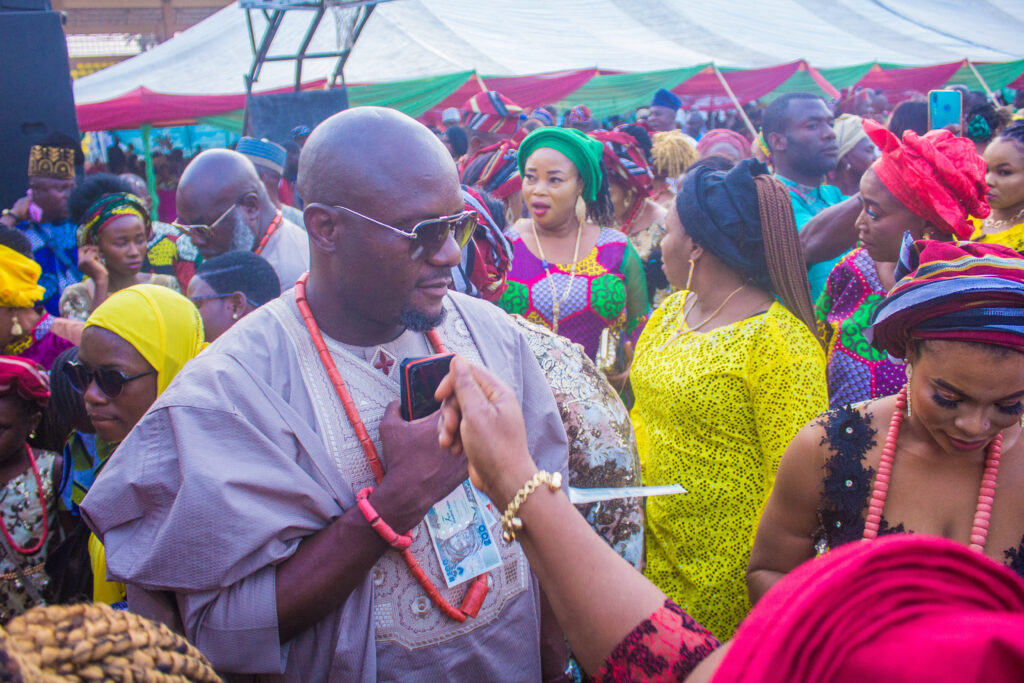
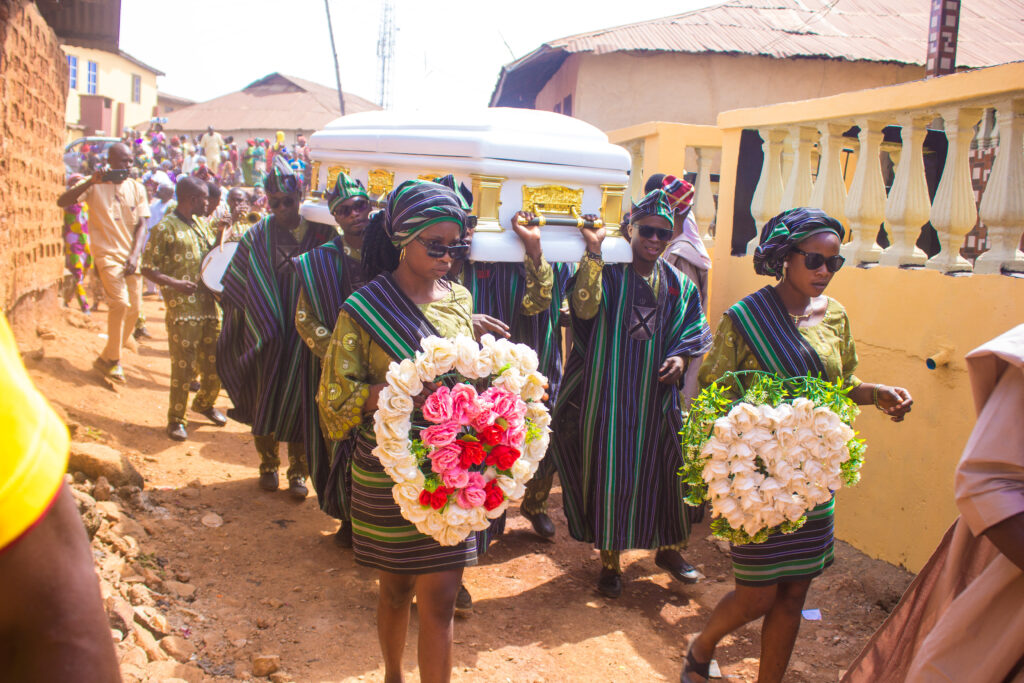
The funeral began with a Christian wake and service of songs at the open grounds of St. Patrick’s Catholic Cathedral, Ado-Ekiti, before proceeding to the deceased’s compound in the Idolofin axis of the town for the main service. The ceremony, attended by top figures from within and outside Ekiti, featured prayers, thanksgiving, and eulogies in recognition of the late chief’s contributions to his community.
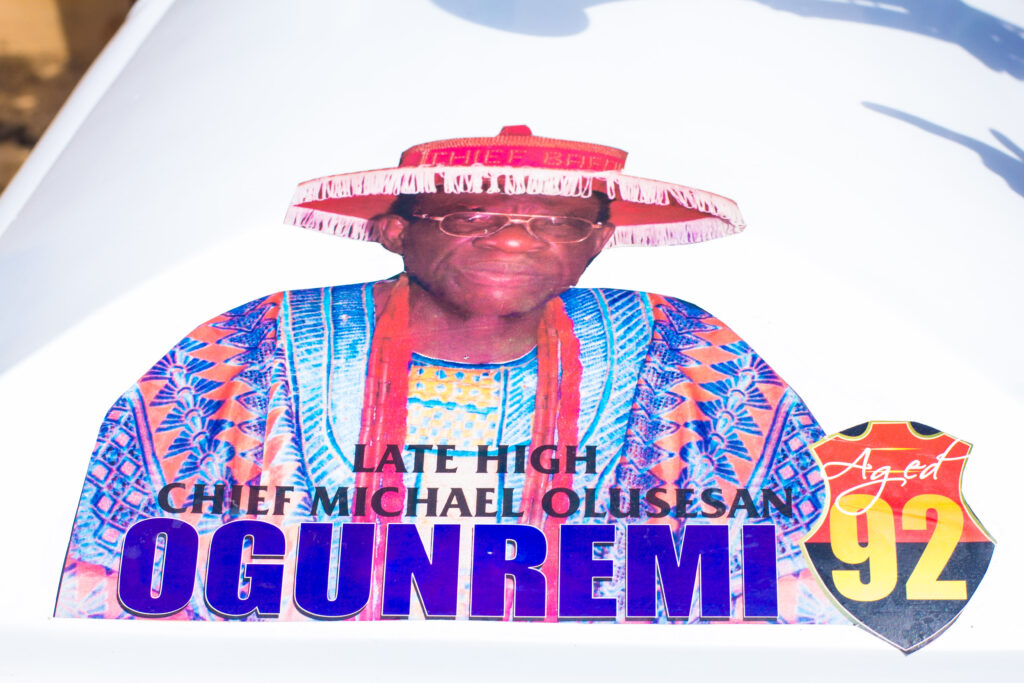
Following the service, Chief Ogunremi’s remains were interred at his residence, accompanied by hymns and tributes from relatives and well-wishers.
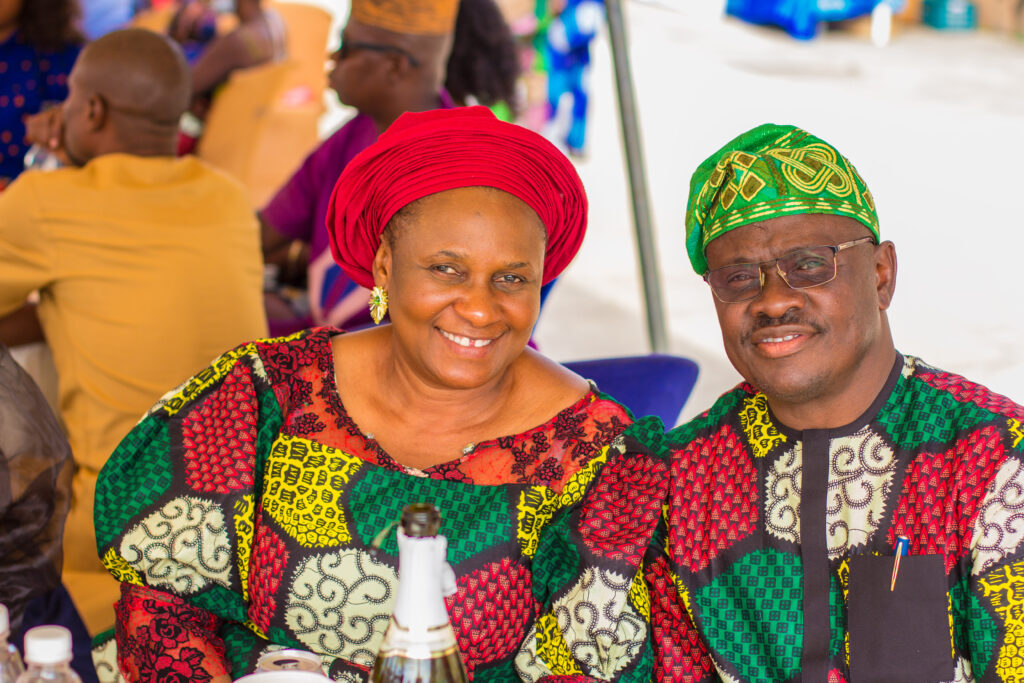
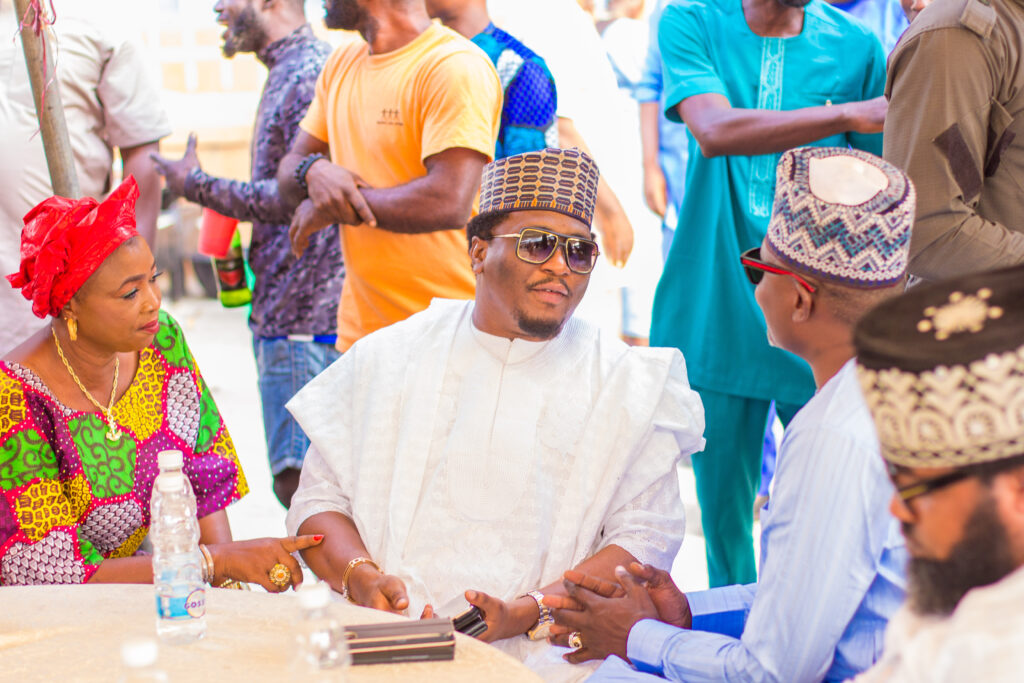
A reception later took place at the Ekiti Parapo Pavilion, where guests—including family members who travelled from the United States, United Kingdom, Canada, and Germany—were entertained with a lavish banquet. The event featured a performance by renowned gospel and highlife singer Evangelist Yinka Ayefele, while veteran emcee Olushola Oladele, popularly known as Pa Aristoe, anchored the proceedings.
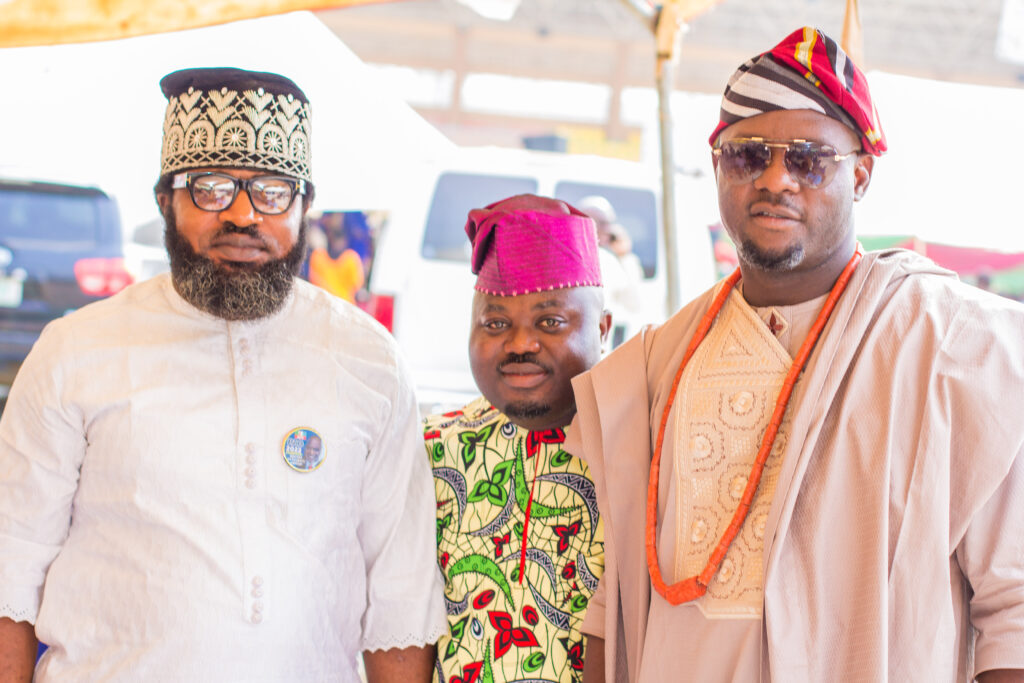
The gathering attracted prominent personalities such as Mr. Babatope Adebiyi (King Jafil), Mr. Goke Olatunji, Regent Omotunde Adelabu, Hon. Abiodun Fawekun of the Ekiti State House of Assembly, members of the Ewi-in-Council, lawmakers, politicians, business leaders, and artisans.
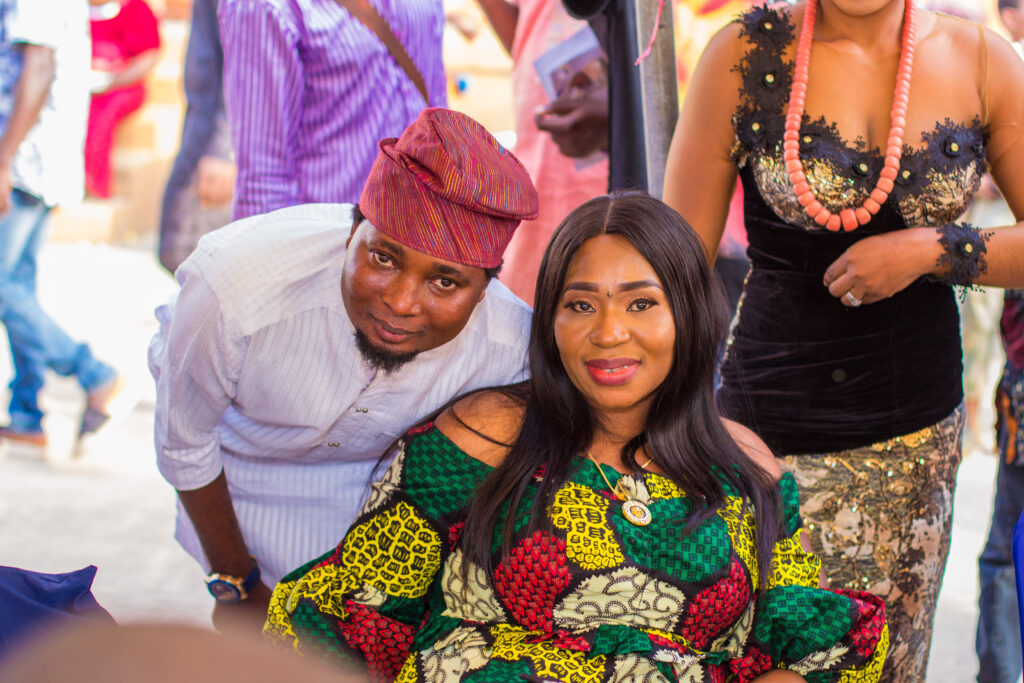
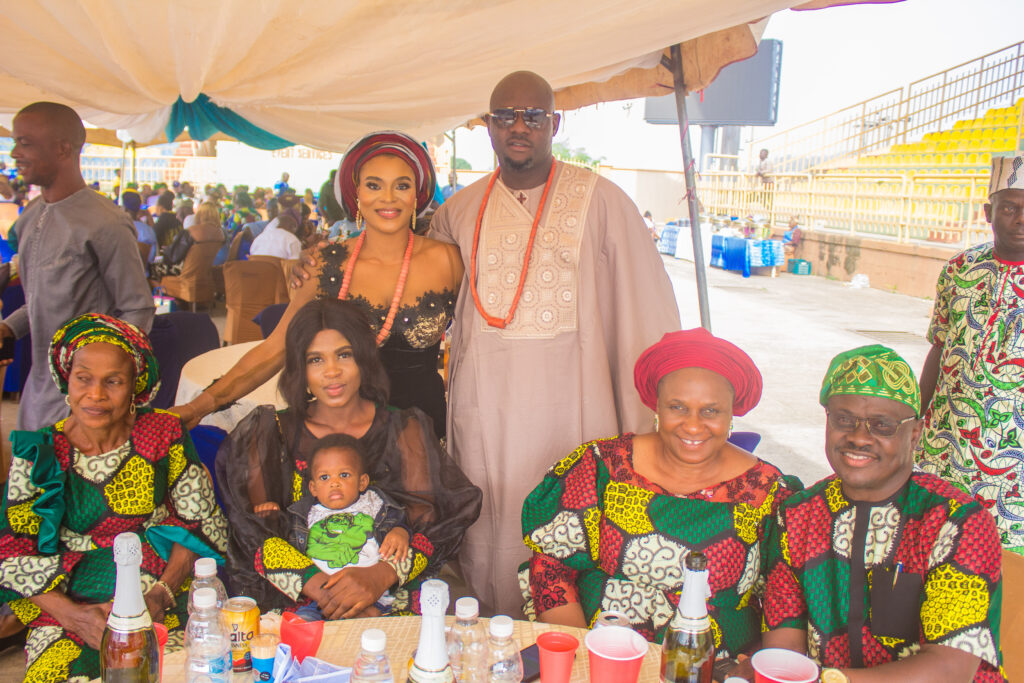
Born on February 7, 1929, to Mr. Williams Akomolafe Ogunremi and Princess Abigail Ogunremi in Ado-Ekiti, Chief Ogunremi began his education at St. George’s Primary School, Agere, before moving to Lagos for electrical training. He later founded the well-known Micho Electronics and worked with business figures such as Chief Lawrence Omole and Chief Ajanaku in Ilesha.
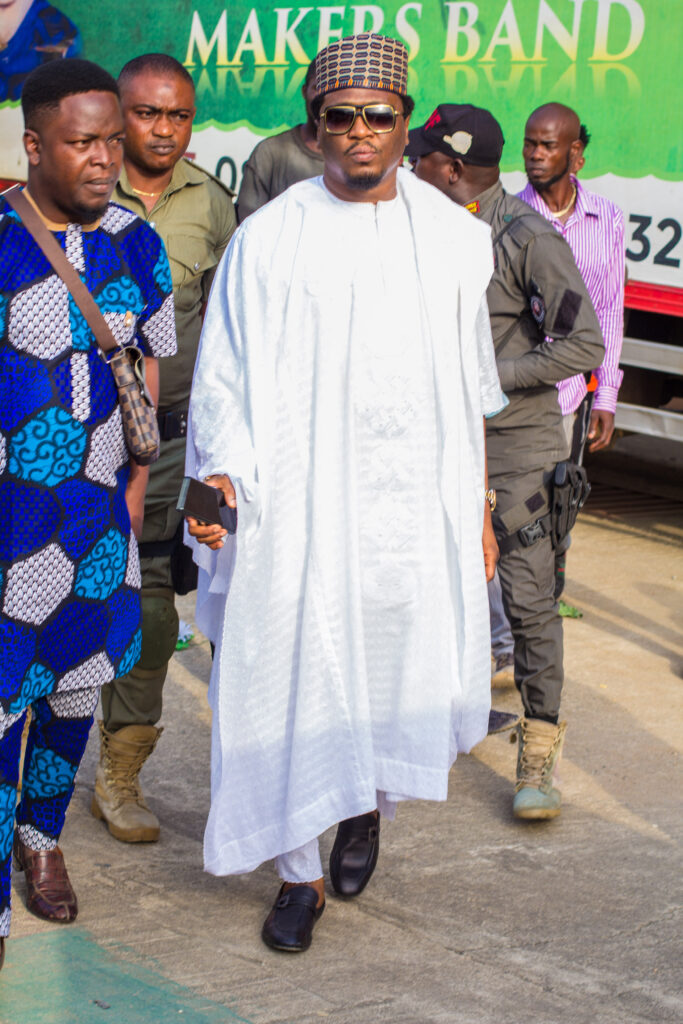
He married his first wife in Ilesha, where the ceremony was held at St. Mary’s Catholic Church. In 1970, he returned to Ado-Ekiti and established Micho Motors, expanding his business interests into the automobile sector. His ventures took him across Europe, including Austria, Brussels, Italy, and Germany.
In July 1988, he was installed as the Barafon of Ado-Ekiti by Oba George Adelabu, the Ewi of Ado-Ekiti. He became widely known for hosting the Udiroko Festival at his Okeilaja palace, a major cultural event that drew indigenes and chiefs before culminating in celebrations at the Ewi’s Palace. He later served as commissioner of the Ekiti State Electricity Board during the administration of Governor Adeniyi Adebayo.
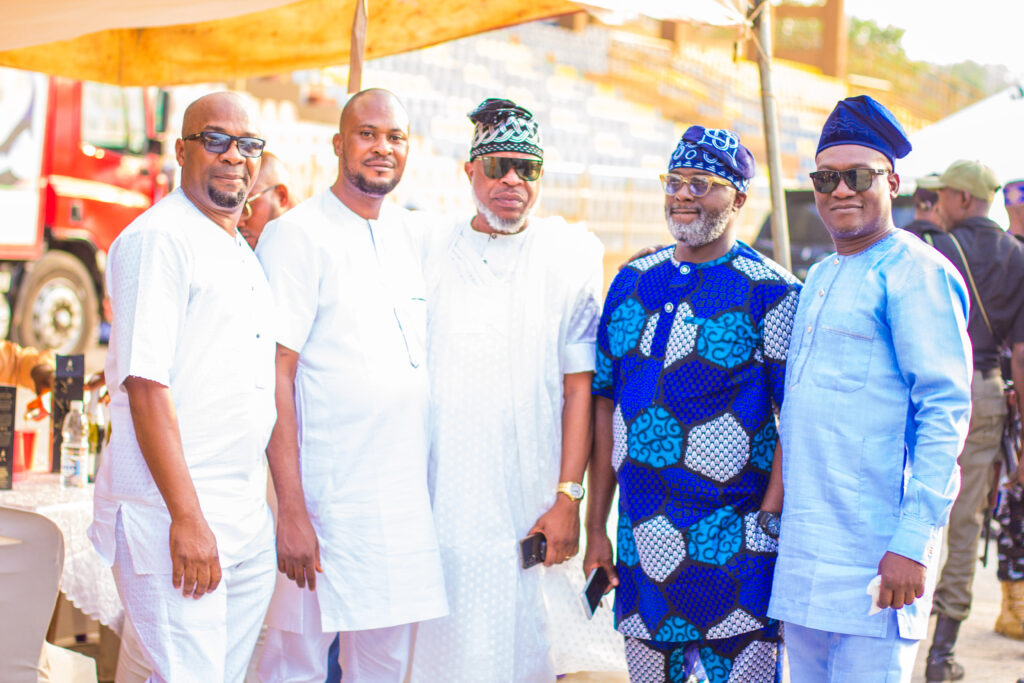
Until his passing, Chief Ogunremi remained an active member of St. Patrick Catholic Cathedral, Ado-Ekiti. He is survived by his wives, children, grandchildren, and great-grandchildren.
Entertainment
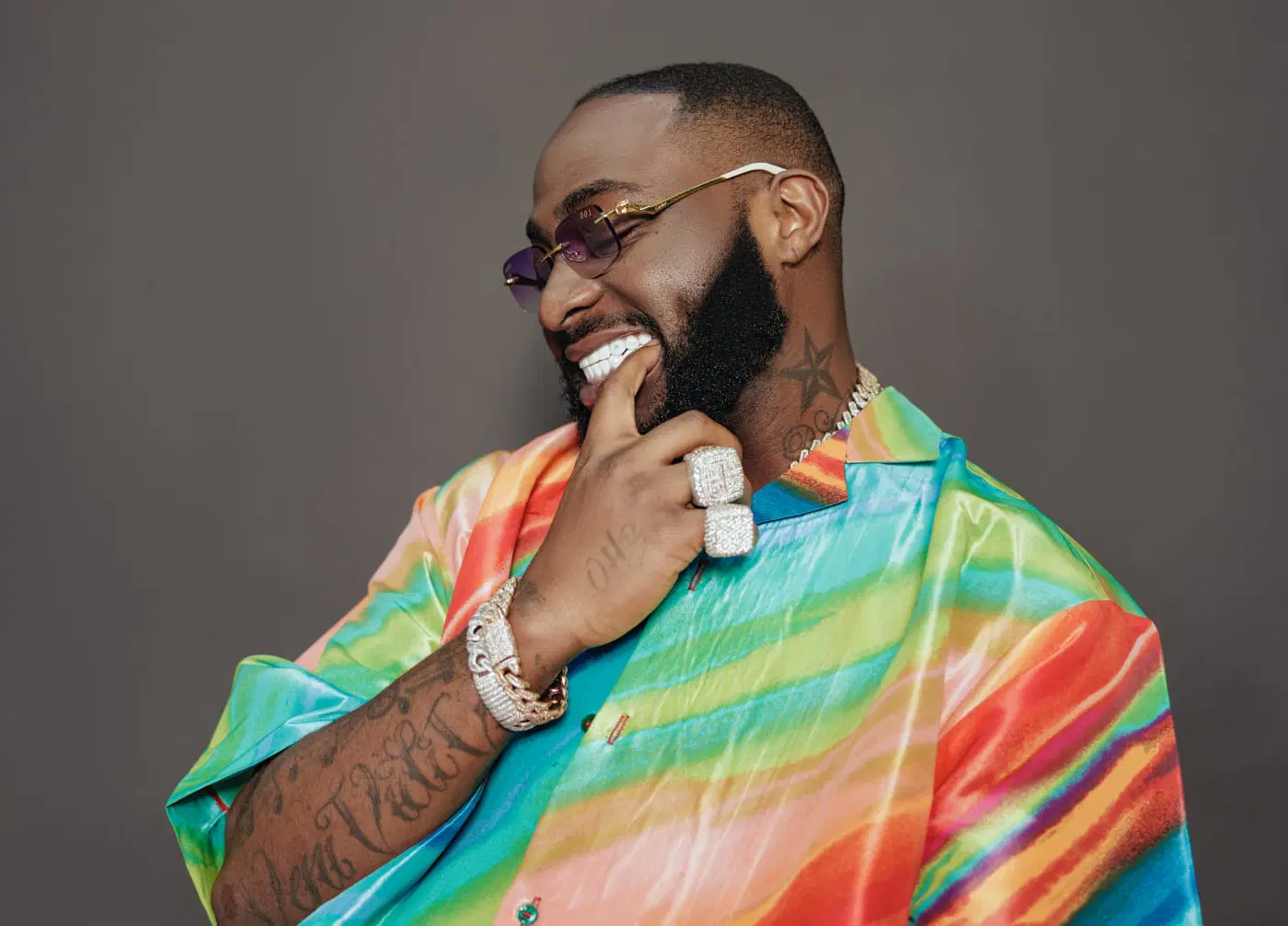
I Will Focus On African Music and culture – Davido
Entertainment
#SpotlightAfricaThrowbackSeries The Exclusive Wedding of Chief Sunday and Mrs Oluwatosin Oso in Akure
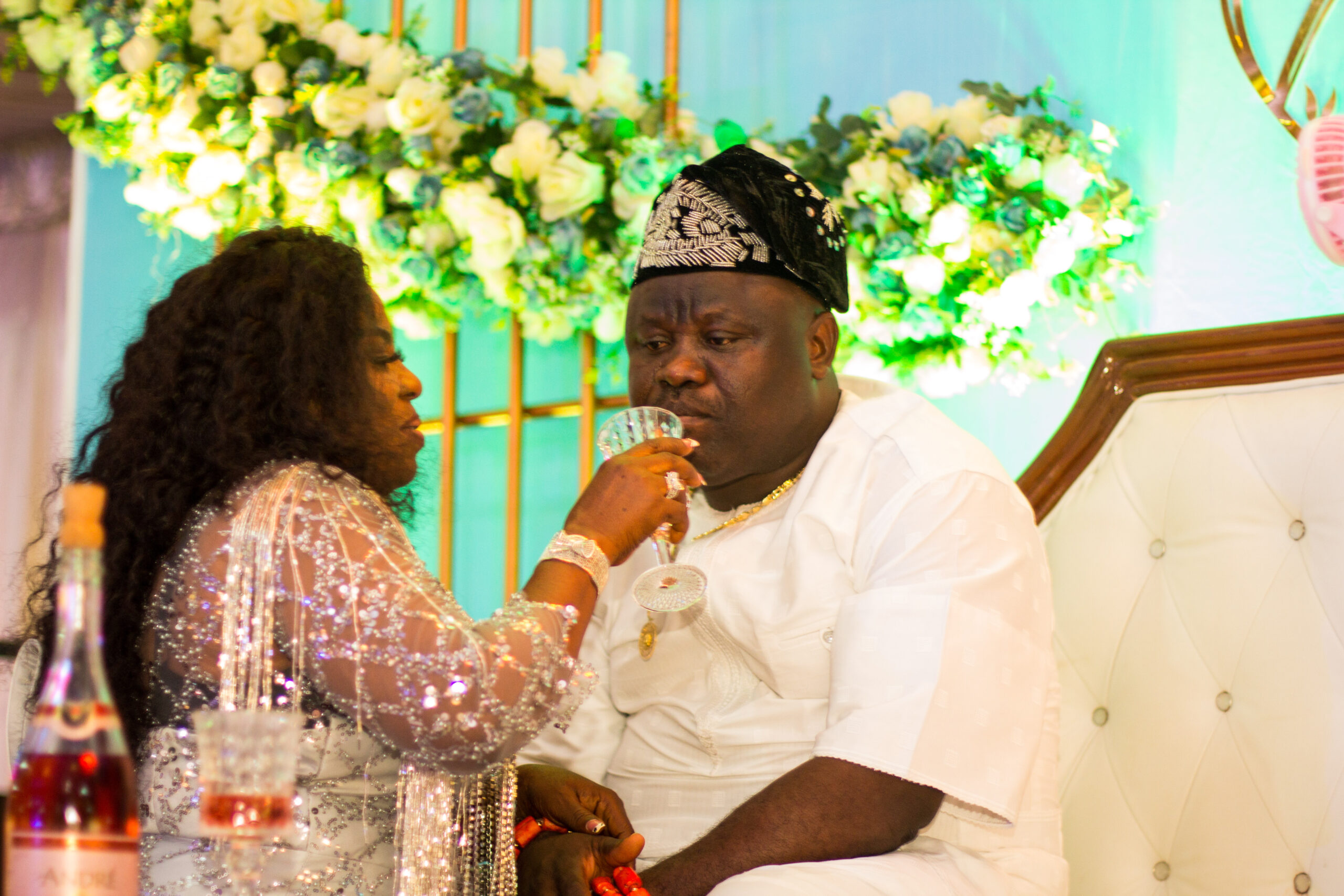
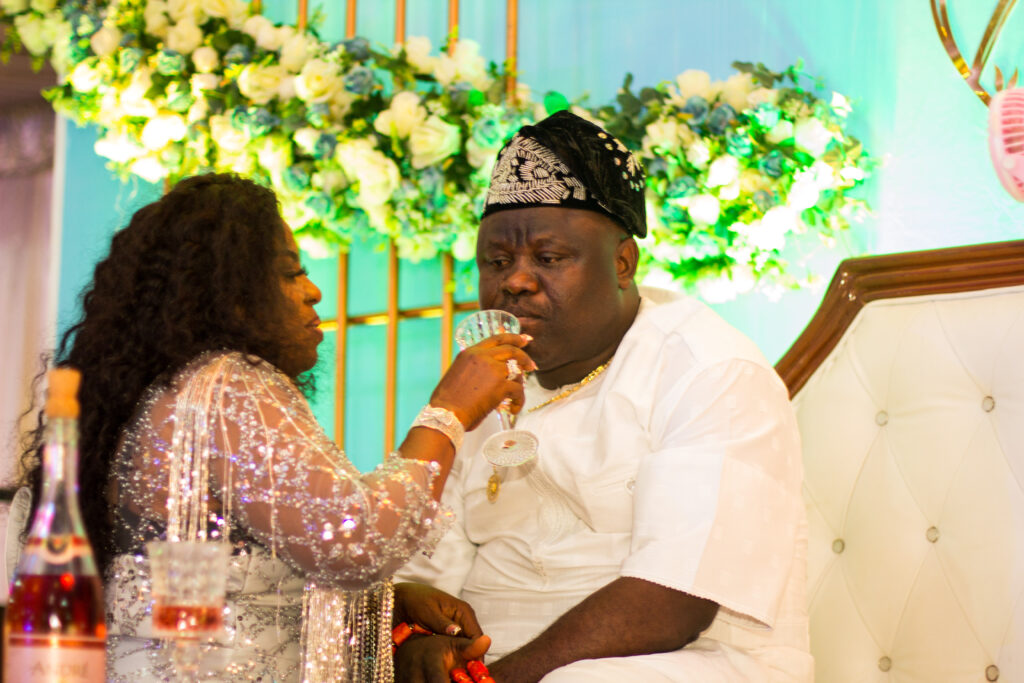
Joyful was the moment when the families of Oso in Ado-Ekiti and Ojo in Akure, Ondo State, as their children, Chief Sunday Oso and Mrs. Oluwatosin Ojo, formally sealed their lifelong union with an exchange of marital vows on November 6, 2021.
For the two lovebirds, the aura exuded nothing but love, as they both looked resplendent in their beautiful attire, gazing at each other with overwhelming excitement.
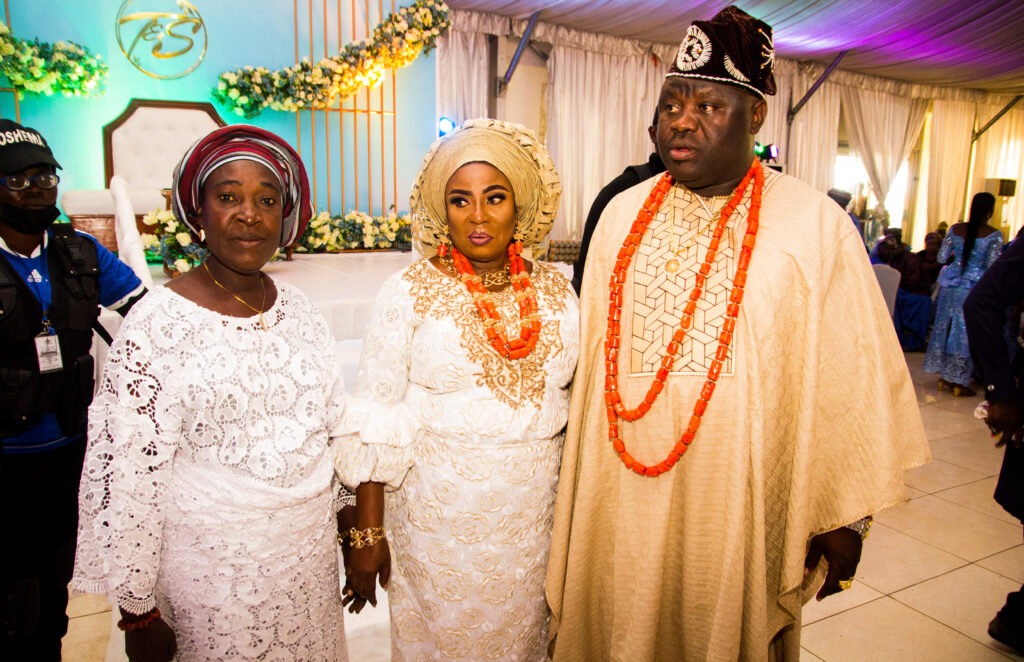
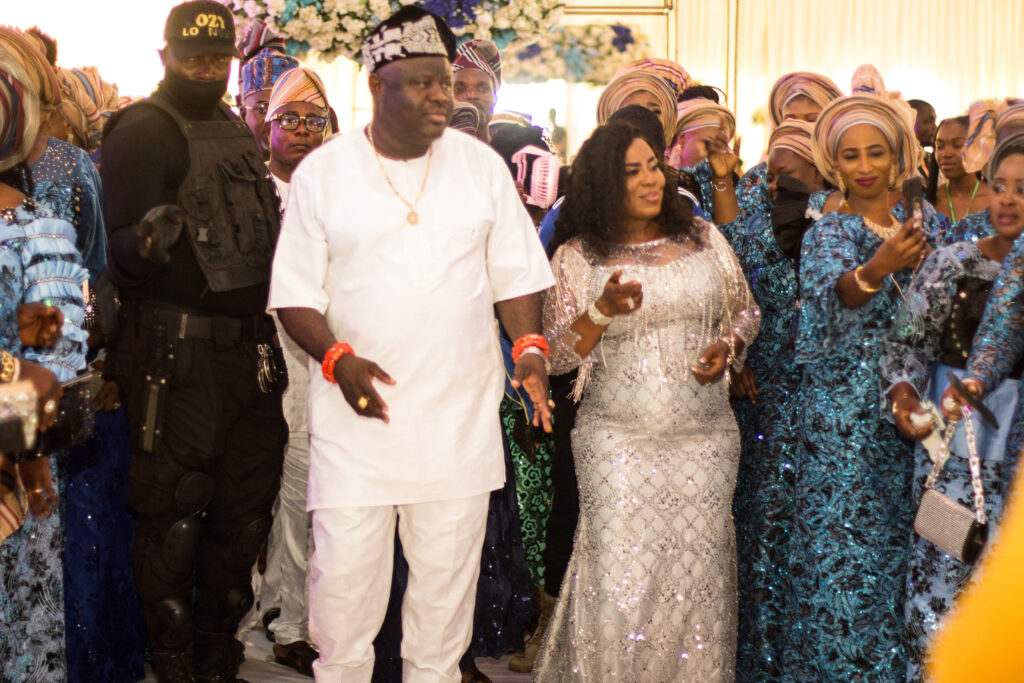
The event kicked off with a photo session by the couple at St. Jacobs Hotel, a 5-star hotel in Akure, Ondo State, which hosted notable guests from across Nigeria and abroad. At the same time, families, friends, and well-wishers converged at BAS Event Centre, Akure, Ondo State, the venue for both the traditional marriage and reception.
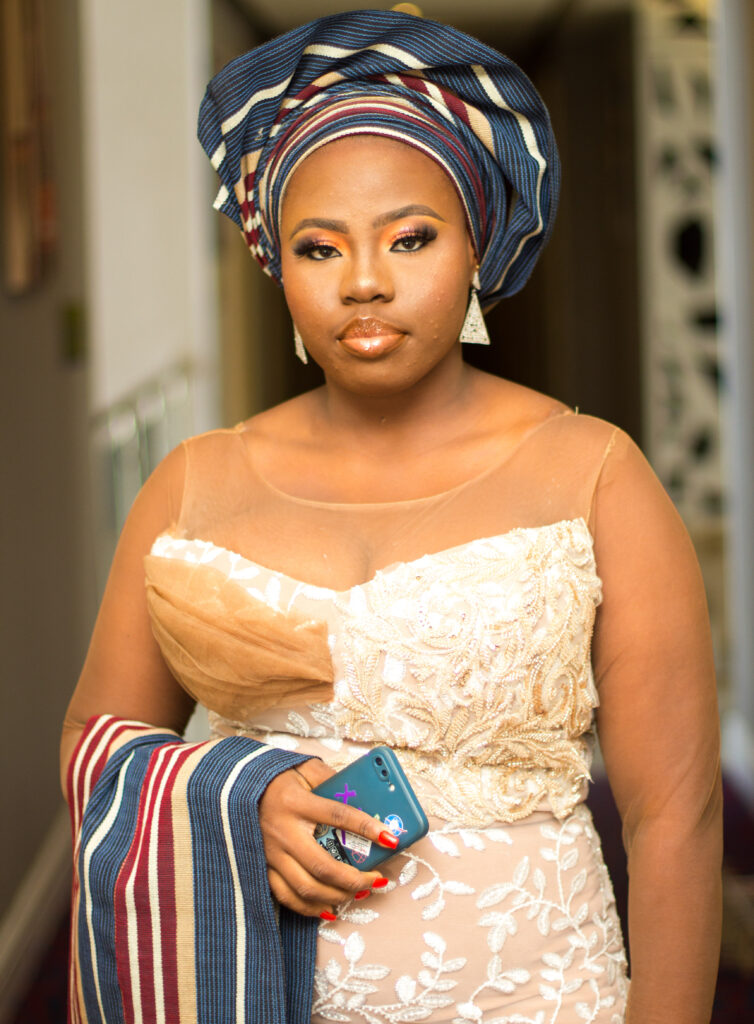
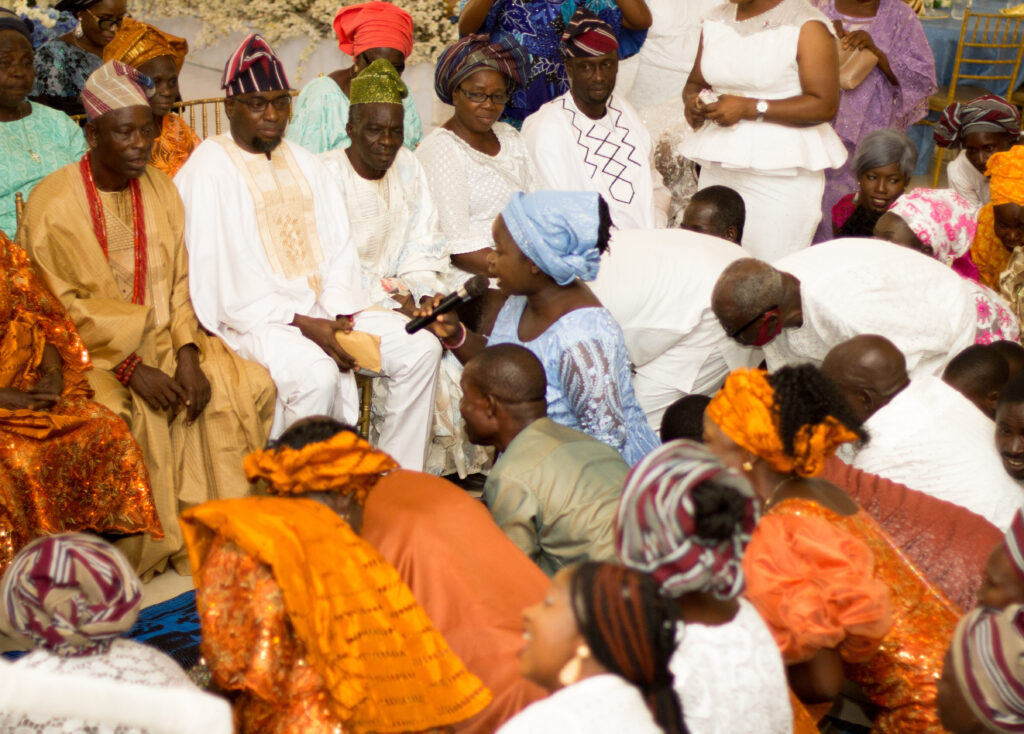
The two families expressed their joy as they warmly welcomed one another during the engagement. Guests were enlivened with rib-cracking jokes by the popular actress, Ronke Ojo, popularly known as Oshodi Oke, who anchored the event. The Ogbomoso-based Fuji maestro, Ramoni Akanni, did not fail to entertain guests with lively music. It was an all-you-can-eat menu accompanied by varieties of drinks, wine, and liquor.
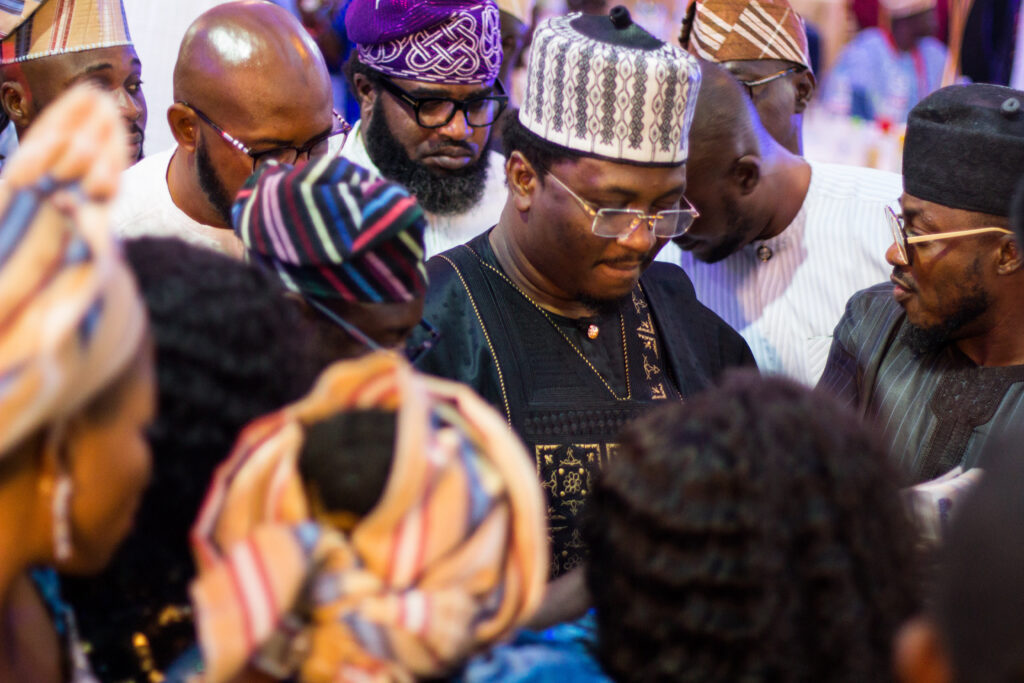
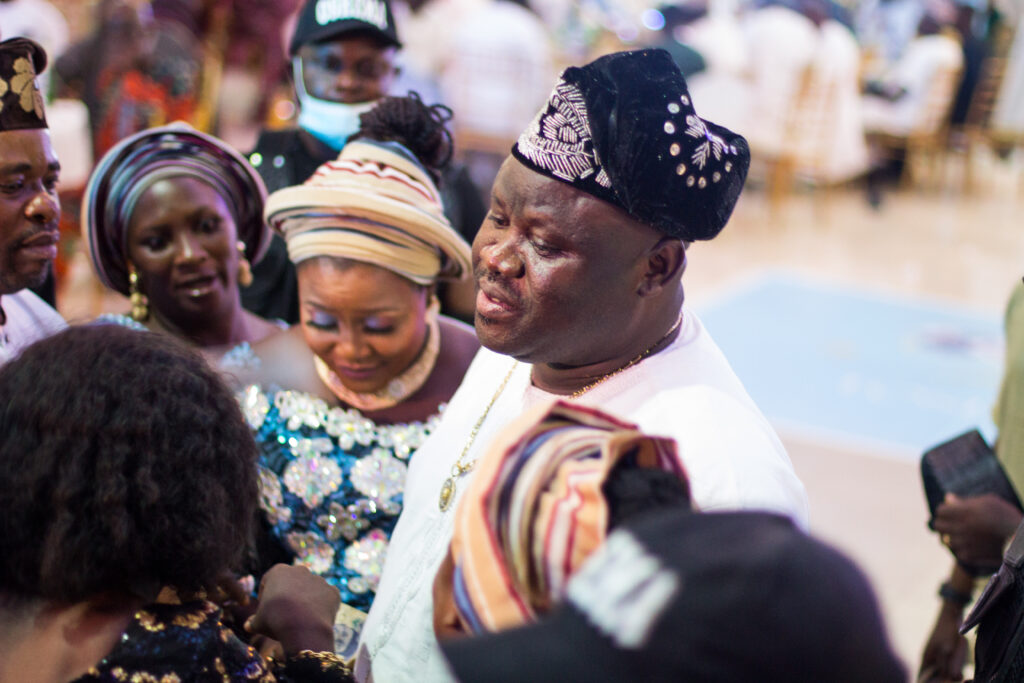
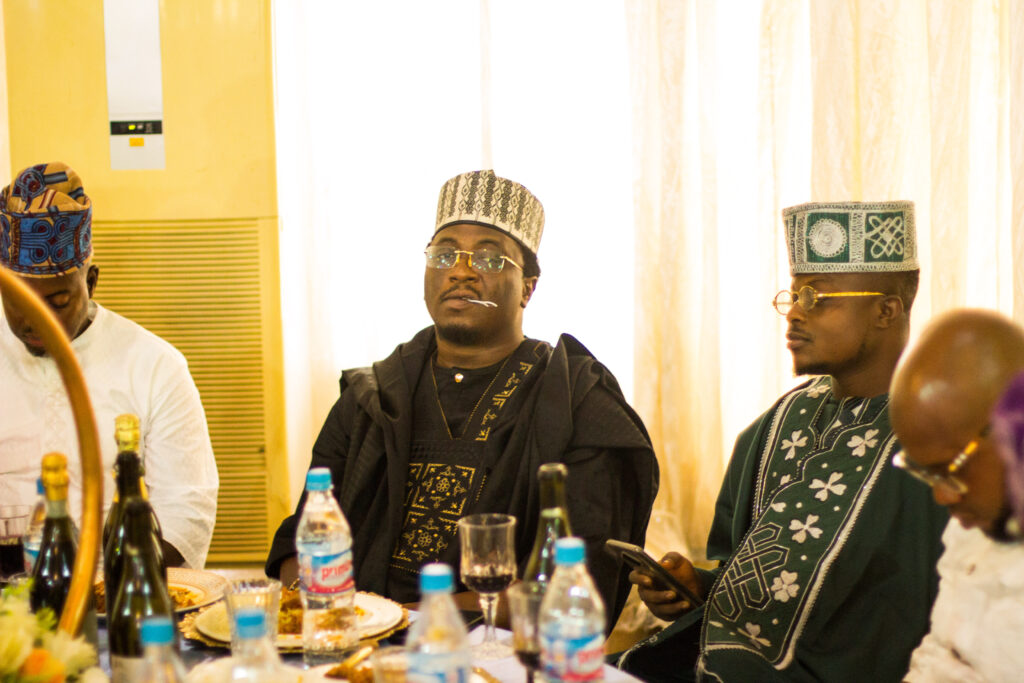
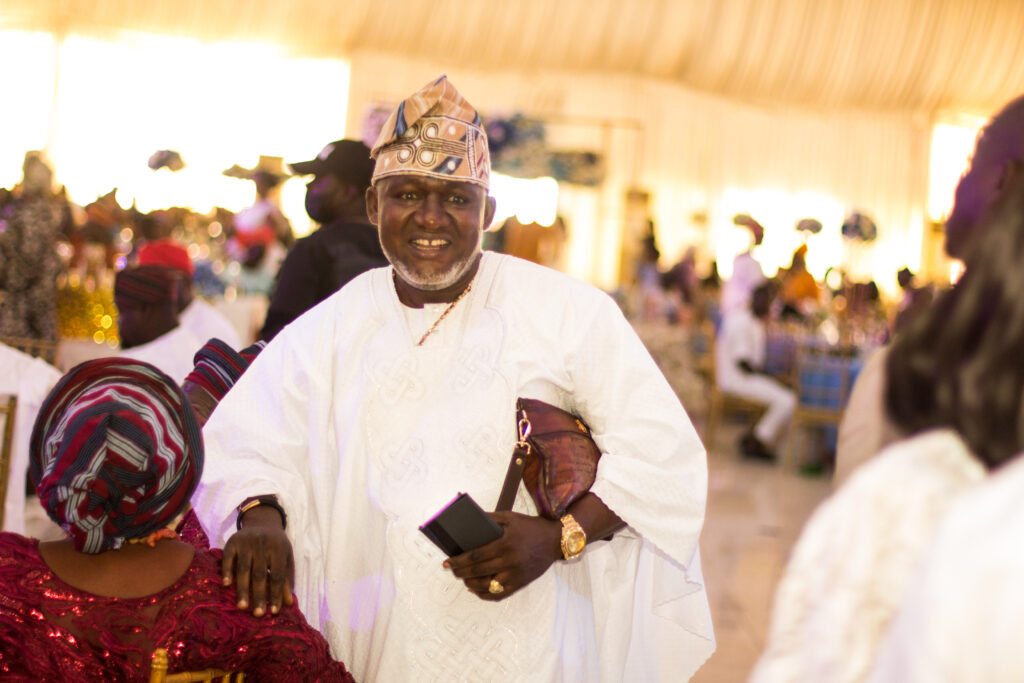
Dignitaries in attendance include top politician, Hon. Olu Araoyinbo, Chairman, West Park Hotel, Mr Rasaq Oseni, Aare Khalif Adebiyi, Nigerian-based businessman, Mr Sesan Adelabu, Emirates, Chairman, St. Jacobs Hotel, Mr Babatope Adebiyi (Jafil), the Waziri of Ekiti State, Alhaji Ajijola, former Chairman, Ado-Ekiti Local Government, Hon. Chief (Mrs) Tosin Aluko, among others.
Hearty Congratulations to Mr and Mrs Oso!
Entertainment
Couple makes history with Nigeria’s first train wedding
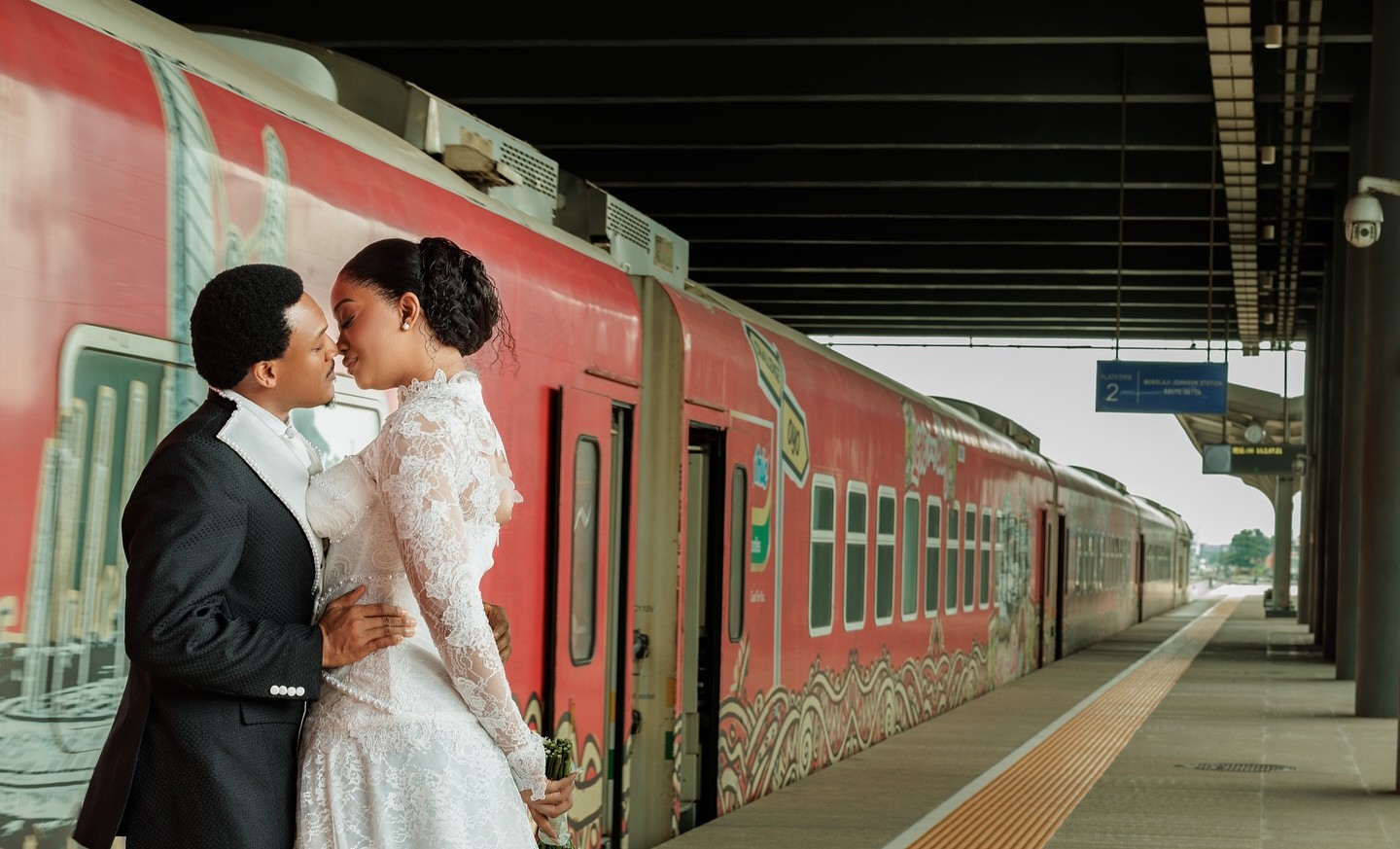
As the rhythmic clatter of wheels echoed along the Lagos–Ibadan railway route, a different kind of journey unfolded inside some of the coaches. Nigerian actor Shawn Faqua and his partner, Sharon Ifunnaya, an event planner, made history by exchanging vows on a moving train, marking the first wedding of its kind in Nigeria.
The ceremony took place aboard a train departing from the Mobolaji Johnson Train Station in Alagomeji-Yaba, Lagos. The coaches, normally a functional passenger compartment, were transformed into a wedding venue, with guests seated at tables, floral arrangements along the windows, a small aisle, and a distinct sense of movement beneath the couple’s feet.
Videos and photos quickly circulated online, showing the train in motion, guests seated, the bride and groom exchanging rings, all of these happening while the train sped past skylines and small towns outside the windows, adding a cinematic touch to the celebration.
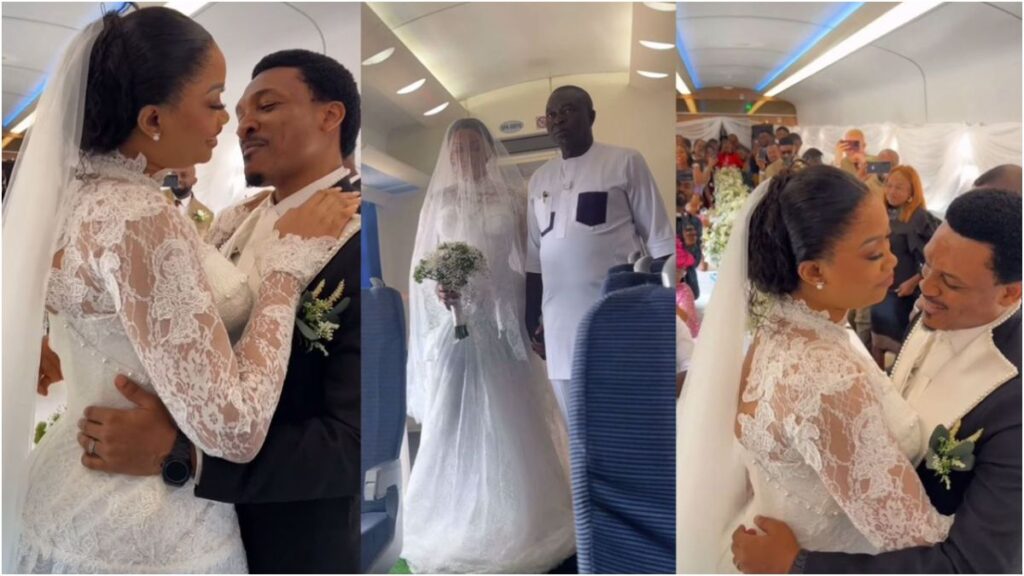
A viral clip captures the bride, announcing cheerfully, “Hey guys, we’re getting married on the train!” And Shawn adds with a grin: “First ever! Breaking record!” This light-hearted tone sets the affair apart as a bold idea executed with joy rather than a stiff and strictly formal event.
In a country where weddings often follow a popular route of banquet halls, churches, and lush locations, Shawn and Sharon’s choice stood out for its novelty and playful spirit. Instead of a stationary venue, they chose to literally move. The train symbolised motion, journey, and progress, which can be interpreted as a very clever metaphor for beginning a life journey together.
On top of that, the event subtly highlighted Nigeria’s rail travel, which is still bouncing back. The renovation and revitalisation of train lines, especially those linking Lagos with neighbouring cities, has brought trains back into the public eye. This wedding transformed that infrastructure into a setting for romance and celebration.
The wedding caught social-media attention, both for its uniqueness and the celebrity names involved. On Instagram, Twitter, and TikTok, various video clips and images of the couple prompted jokes, praises, and reactions.
Weddings in Nigeria often carry a strong cultural and social load that includes multiple ceremonies (traditional, civil, white, religious), large guest lists, elaborate halls, and aesthetics. But this train wedding offered something different. It didn’t abandon tradition as the couple still held a traditional Igbo ceremony. But it added an unexpected and modern twist to the venue and setting.
This is probably a sign of how wedding culture in Nigeria is evolving. Couples increasingly seek personalisation, memorable experiences, and Instagram-worthy moments that reflect their personality, rather than simply replicating a standard format.


Kunle Remi Blasts Government on economic hardship, asks Nigerians to hold government accountable

NCC orders Telco’s To compensate subscribers for poor network service

FG Says Nigeria needs $100 billion to solve power crisis

Evangelist Bamidele Olumilua Goes Home

Funeral of Prince Adebayo Adeyinka Adejuwon



Recent Comments