Connect with us

Entertainment

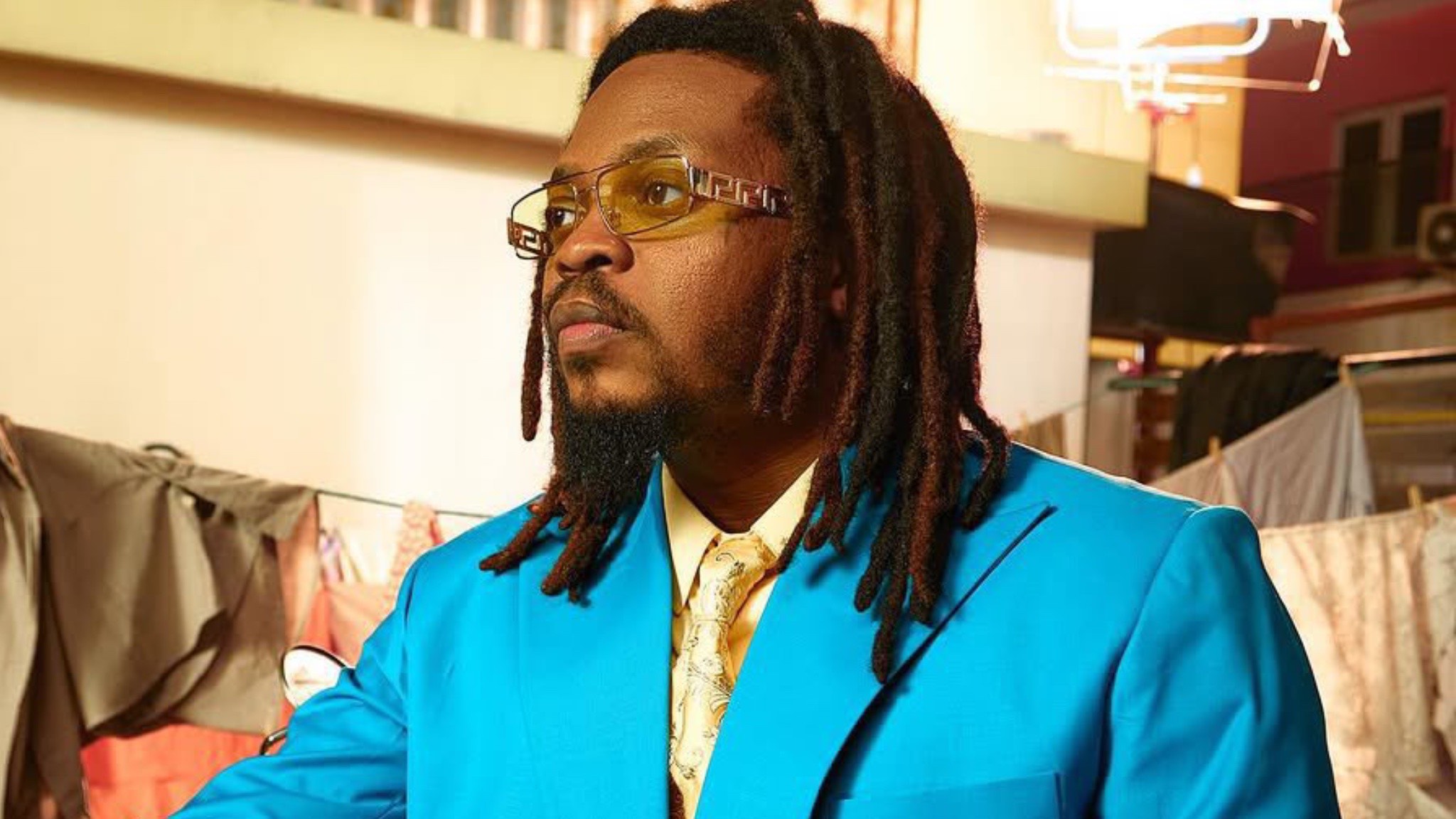
Why I Refused To Rap In English For Global Validation – Olamide

When the conversation around Nigerian hip hop legends arises, Olamide Badoo’s name sits firmly at the top of the list.

From his breakout in the early 2010s to becoming a full-blown cultural force, Olamide Gbenga Adedeji has built an empire around authenticity, consistency, and a fearless embrace of his roots.

The YBNL boss is not only responsible for his own catalogue of timeless street anthems, but for discovering and nurturing some of the country’s biggest modern stars, from Lil Kesh to Fireboy DML to Asake.

What sets Olamide apart isn’t just his ear for hits or his dominance on the charts. It is his refusal to conform. In an era when many Nigerian artists switched to English or diluted their sound in search of international recognition, Olamide doubled down on the streets that made him.

During a recent interview with Eddie Kaddi on BBC Radio 1 Extra, Olamide spoke candidly about the philosophy behind his decision to rap in his native language rather than switching to English for global appeal.

His words revealed a sense of pride that goes beyond music.

He said: “Growing up and seeing the likes of Awilo Longomba doing his thing, Brenda Fassi (…). These people never tried to infuse English by force or anything. They were just doing their thing. Key thing is you have to identify your audience. Once you identify your audience, then the rest of the world are going to catch up eventually. So I have to stay true to myself no matter what it is, where it is in this world.”

The 36-year-old star added: “I’m a Naija boy. If I want to wear my Agbada and my Dashiki, I will do it. Let them know what I’m really all about — my heritage, my lineage, my culture, my food. You just have to stay true to yourself and that’s the only way you can become comfortable in life. I’m comfortable in my skin, I’m a Naija guy, Yoruba boy. I’ve got H-factor and all that. And I’m proud about it.”

That statement alone captures the very essence of Olamide’s career, a superb balance of street confidence, cultural loyalty, and an unshakeable belief in himself.

It is the same attitude that has fuelled his rise from Bariga to global acclaim, without ever having to abandon his linguistic or sonic identity.

Click to comment

Leave a Reply

Your email address will not be published. Required fields are marked *

Entertainment

‘77% of Nigerian women bleach their skin’ — Nollywood actress Beverly Naya speaks up

Nollywood actress Beverly Naya has opened up about the personal experience that inspired her Netflix documentary Skin, tracing it back to bullying she faced as a teenager in London.

Speaking on the One54 Podcast, Naya explained that although the bullying she experienced growing up wasn’t rooted in colourism specifically, it deeply affected her self-esteem during her formative years.

After relocating to Nigeria, she said she initially wanted to start an anti-bullying campaign, but felt the idea needed sharper focus to genuinely resonate with audiences. During her research, she came across a quote attributed to Willie Lynch, a figure some historians dispute ever existed, allegedly describing a strategy to divide Black people by skin complexion. Whatever its origins, Naya said the idea stuck with her once she connected it to modern data on skin bleaching in Nigeria.

According to the World Health Organisation, 77% of Nigerian women use skin bleaching products, the highest rate recorded on the continent, compared to 59% in Togo, 35% in South Africa and 27% in Senegal.

Naya said that statistic, paired with the historical quote, is what ultimately shaped the direction of Skin. She pointed to a cultural hierarchy around complexion in Nigeria, where lighter skin is often treated as more desirable, and said she saw the culture around bleaching as its own form of bullying that had never been properly named or discussed.

She recalled how dark-skinned people were often casually insulted using derogatory terms, without the behaviour ever being classified as discriminatory. Naya said the documentary was her way of giving that pattern a name, colourism, while highlighting the health effects of bleaching and encouraging people to embrace their natural skin tone.

“That’s basically what inspired that movement,” she said of the project, noting that Skin premiered on Netflix roughly two weeks after George Floyd died in 2020, a period marked by heightened global conversations around race.

Beyond the documentary’s origin story, Naya used the conversation to reflect on her broader journey between London, Lagos and New York, discussing how moving across three continents shaped her identity, accent and worldview.

She also spoke about her decision to build her career in New York rather than Los Angeles, and shared thoughts on protecting her mental health while navigating fame, comparison culture and public scrutiny.

Naya, a Forbes 30 Under 30 Africa honoree, has continued to expand her work as an actress, filmmaker and producer since Skin’s release, with the documentary remaining one of the more widely discussed projects to tackle colourism within Nollywood and the broader Nigerian entertainment industry.

Continue Reading

Celebs

Veteran Actress Ngozi Nwosu appeals for N30 Million For Three Surgeries as she battles health crisis

Veteran Nollywood actress Ngozi Nwosu has made an emotional appeal to fans, colleagues and well-wishers as she battles a serious health condition that requires urgent medical attention.

The actress shared a photo of herself lying in a hospital bed, revealing that she has been hospitalised for the past three weeks. According to her, speaking publicly about her condition was a difficult decision, but she could no longer remain silent as she urgently needs three life-saving surgeries estimated to cost ₦30 million.

“My people, my fans and my family. I know you have not seen me in circulation for some time. I’ve been hospitalised now for three weeks.

“Pls, the thing has gone beyond my control. I need your help. Don’t let me die. I know that you people never forsake me, and I know that God will always see me through. But I am begging you my fans and family, don’t let me down.”

Nwosu also revealed the physical pain she has been enduring, adding that anyone willing to support her treatment should reach out to her management.

“I am going through a lot of pain. I have like three surgeries to go through.

“If there is anything you want to do for me, pls contact my management; they will be there. Thank you, God bless you. My sickness will never be anybody’s portion.”

n the caption accompanying the post, the actress reiterated her appeal, asking fans to share her message and contribute towards her treatment.

“Please don’t scroll past. Share this post and support if you can. God bless you, and may you and yours never experience this affliction.

“Please contact my legal representative/management for more details.

“Total amount needed for all surgeries is: N30,000,000.”

Nwosu is one of Nollywood’s celebrated veteran actresses, with a career spanning decades. She is widely recognised for her memorable performances in films and television productions.

Continue Reading

Entertainment

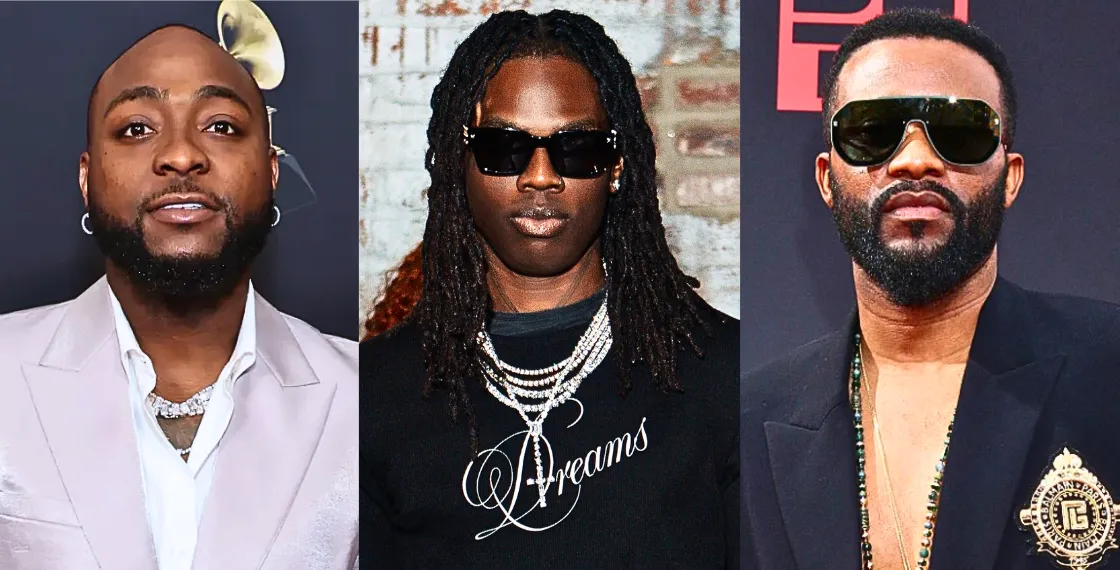
Nigeria’s image isn’t worth protecting when school children are being kidnapped – Davido

In a new interview on the BBC, multi-award-winning superstar Davido explained why he chose to use his platform to bring global attention to the kidnapping of school children around the country.

During his performance on one of the side events at the ongoing FIFA World Cup hosted in Mexico, the United States of America, and Canada, Davido wore a jacket with the names of the school kids from the Oyo Kidnapping pinned all over the black leather jacket

Davido’s choice of outfit and activism generated both criticism and praise, with some commending him for using his platform to amplify the plight of Nigerians confronting record levels of insecurity. Other critics, including popular Hausa praise singer Dauda Adamu Kahutu, popularly known as Rarara, accused Davido of a lack of patriotism for airing the country’s dirty laundry on the global stage.

The award-winning star, however, doesn’t agree with the idea of protecting the country’s image. According to him, there’s no image to protect when school kids are being kidnapped.

A lot of people don’t really want to talk about what goes on in my country (Nigeria) simply because they want to protect the image, but there’s no image to protect if the little kids are being kidnapped,” Davido said, strongly communicating his stance.

As much as I was happy to do the World Cup, we also have to understand that things are going on back home in our country, which we have the power to let the world know through our own means. My own means is music and performances, so I used my platform to project what is going on.”

Davido’s decision to use the World Cup stage for his activism continues his trend of joining his voice to echo Nigeria’s sociopolitical crisis. During the famous ENDSARS protest against police brutality and corruption in 2020, he took part in the protest, and his smash hit record ‘FEM’ became the unofficial anthem.

As Nigerians at home and in the diaspora continue to await the return of the school children and teachers of the Orile kidnapping in Oyo, Davido and other celebrities are speaking up on the rising insecurity and economic hardship across the country.

Continue Reading
Advertisement

Recent Comments

Trending