The curtains have drawn and fallen on the biggest event in the music industry – the Grammy Awards. Though no Nigerian artist scooped the bell-shaped accolade, a few of them won by association. If you watched the event, then you know we’re referring to Angelique Kidjo’s winning speech where she thanked Nigerian artists Yemi Alade, Burna Boy, and Mr. Eazi for their input in her critically acclaimed album, Mother Nature which won the Best Global Music Album, a category that gave a nod to Wiz Kid.
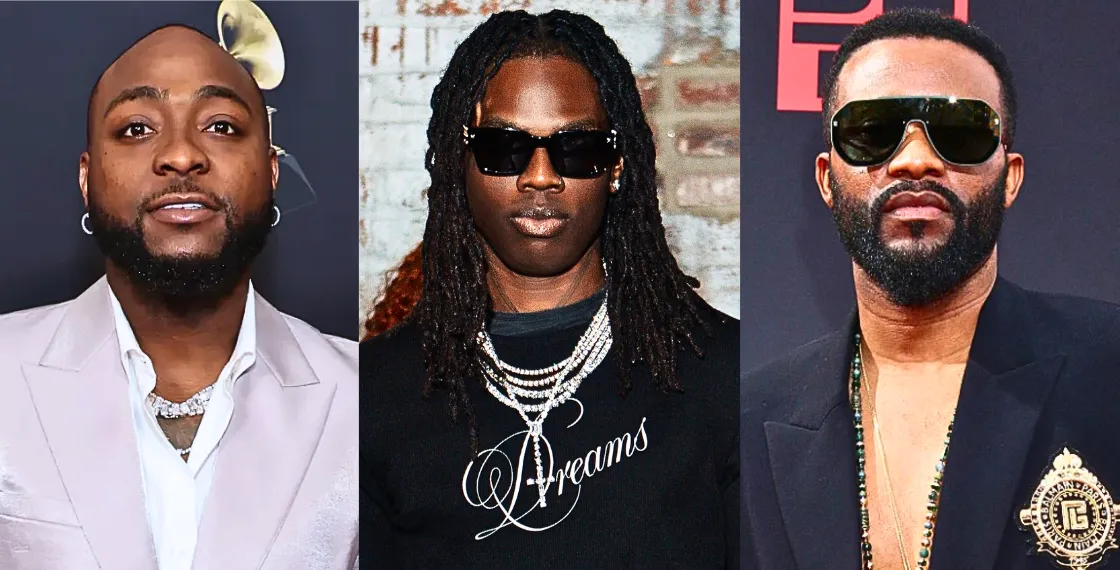
Machala as well as other Nigerian artists including Femi Kuti and Burner boy also received a Grammy nomination in the category of Best Global Performance but they lost out to Pakistan musician Aroof Aftab’s Mohabbat. Jon Batiste who received the most nominations (11) when the nomination list was published in November 2021 went home with the most awards – a whopping 5!
South African comedian Trevor Noah immaculately steered the three-hour event which was held at Las Vegas’ MGM Grand Garden Arena. Here is a full list of all winners of the 2022 Grammy Award.
Grammy Award 2022 Winners Full List
Best Global Music Performance
“Mohabbat,” Arooj Aftab
Best Global Music Album
“Mother Nature,” Angelique Kidjo
Song of the Year
“Leave the Door Open,” Brandon Anderson, Christopher Brody Brown, Dernst Emile Ii and Bruno Mars, songwriters (Silk Sonic)
Best New Artist
Olivia Rodrigo
Best Pop Solo Performance
“Drivers License,” Olivia Rodrigo
Best Pop Duo/Group Performance
“Kiss Me More,” Doja Cat featuring SZA
Best Traditional Pop Vocal Album
“Love for Sale,” Tony Bennett and Lady Gaga
Best Pop Vocal Album
“Sour,” Olivia Rodrigo
Best Dance/Electronic Recording
“Alive,” Rüfüs Du Sol
Best Dance/Electronic Music Album
“Subconsciously,” Black Coffee
Best Alternative Music Album
“Daddy’s Home,” St. Vincent
Best Contemporary Instrumental Album
“Tree Falls,” Taylor Eigsti
Best Rock Performance
“Making a Fire,” Foo Fighters
Best Metal Performance
“The Alien,” Dream Theater
Best Rock Song
“Waiting on a War,” Dave Grohl, Taylor Hawkins, Rami Jaffee, Nate Mendel, Chris Shiflett and Pat Smear, songwriters (Foo Fighters)
Best Rock Album
“Medicine at Midnight,” Foo Fighters
Best R&B Performance
“Leave the Door Open,” Silk Sonic
“Pick Up Your Feelings,” Jazmine Sullivan
Best Traditional R&B Performance
“Fight for You,” H.E.R.
Best R&B Song
“Leave the Door Open,” Brandon Anderson, Christopher Brody Brown, Dernst Emile II and Bruno Mars, songwriters (Silk Sonic)
Best Progressive R&B Album
“Table for Two,” Lucky Daye
Best R&B Album
“Heaux Tales,” Jazmine Sullivan
Best Rap Performance
“Family Ties” Baby Keem featuring Kendrick Lamar
Best Melodic Rap Performance
“Hurricane,” Kanye West featuring the Weeknd and Lil Baby
Best Rap Song
“Jail,” Dwayne Abernathy, Jr., Shawn Carter, Raul Cubina, Michael Dean, Charles M. Njapa, Sean Solymar, Kanye West and Mark Williams, songwriters (Kanye West featuring Jay-Z)
Best Rap Album
“Call Me if You Get Lost,” Tyler, the Creator
Best Country Solo Performance
“You Should Probably Leave,” Chris Stapleton
Best Country Duo/Group Performance
“Younger Me,” Brothers Osborne
Best Country Song
“Cold,” Dave Cobb, J.T. Cure, Derek Mixon and Chris Stapleton, songwriters (Chris Stapleton)
Best Country Album
“Starting Over,” Chris Stapleton
Best New Age Album
“Divine Tides,” Stewart Copeland and Ricky Kej
Best Improvised Jazz Solo
“Humpty Dumpty (Set 2),” Chick Corea, soloist
Best Jazz Vocal Album
“Songwrights Apothecary Lab,” Esperanza Spalding
Best Jazz Instrumental Album
“Skyline,” Ron Carter, Jack DeJohnette and Gonzalo Rubalcaba
Best Large Jazz Ensemble Album
“For Jimmy, Wes and Oliver,” Christian McBride Big Band
Best Latin Jazz Album
“Mirror Mirror,” Eliane Elias With Chick Corea and Chucho Valdés
Best Gospel Performance/Song
“Never Lost,” CeCe Winans
Best Contemporary Christian Music Performance/Song
“Believe for It,” CeCe Winans; Dwan Hill, Kyle Lee, CeCe Winans and Mitch Wong, songwriters
Best Gospel Album
“Believe for It,” CeCe Winans
Best Contemporary Christian Music Album
“Old Church Basement,” Elevation Worship and Maverick City Music
Best Roots Gospel Album
“My Savior,” Carrie Underwood
Best Latin Pop Album
“Mendó,” Alex Cuba
Best Música Urbana Album
“El Último Tour Del Mundo,” Bad Bunny
Best Latin Rock or Alternative Album
“Origen,” Juanes
Best Regional Mexican Music Album (Including Tejano)
“A Mis 80’s,” Vicente Fernández
Best Tropical Latin Album
“Salswing!,” Rubén Blades y Roberto Delgado & Orquesta
Best American Roots Performance
“Cry,” Jon Batiste
Best American Roots Song
“Cry,” Jon Batiste and Steve McEwan, songwriters (Jon Batiste)
Best Americana Album
“Native Sons,” Los Lobos
Best Bluegrass Album
“My Bluegrass Heart,” Béla Fleck
Best Traditional Blues Album
“I Be Trying,” Cedric Burnside
Best Contemporary Blues Album
“662,” Christone “Kingfish” Ingram
Best Folk Album
“They’re Calling Me Home,” Rhiannon Giddens with Francesco Turrisi
Best Regional Roots Music Album
“Kau Ka Pe’a,” Kalani Pe’a
Best Reggae Album
“Beauty in the Silence,” Soja
Best Engineered Album, Non-Classical
“Love for Sale,” Dae Bennett, Josh Coleman and Billy Cumella, engineers; Greg Calbi and Steve Fallone, mastering engineers (Tony Bennett and Lady Gaga)
Producer of the Year, Non-Classical
Jack Antonoff
Best Remixed Recording
“Passenger” (Mike Shinoda Remix); Mike Shinoda, remixer (Deftones); track from: “White Pony” (20th Anniversary Deluxe Edition)
Best Children’s Music Album
“A Colorful World,” Falu
Best Spoken Word Album
“Carry On: Reflections for a New Generation From John Lewis,” Don Cheadle
Best Comedy Album
“Sincerely Louis C.K.,” Louis C.K.
Best Musical Theater Album
“The Unofficial Bridgerton Musical,” Emily Bear, producer; Abigail Barlow and Emily Bear, composers/lyricists (Barlow & Bear)
Best Compilation Soundtrack for Visual Media
“The United States vs. Billie Holiday,” Andra Day
Best Score Soundtrack for Visual Media
“The Queen’s Gambit,” Carlos Rafael Rivera, composer
“Soul,” Jon Batiste, Trent Reznor and Atticus Ross, composers
Read Also: Oscars 2022 – Full List of Nominees and Winners
Best Song Written For Visual Media
“All Eyes On Me [From Inside],” Bo Burnham, songwriter (Bo Burnham)
Best Immersive Audio Album
“Alicia,” George Massenburg and Eric Schilling, immersive mix engineers; Michael Romanowski, immersive mastering engineer; Ann Mincieli, immersive producer (Alicia Keys)
Best Immersive Audio Album (for 63rd Grammy Awards)
“Soundtrack of the American Soldier,” Leslie Ann Jones, immersive mix engineer; Michael Romanowski, immersive mastering engineer; Dan Merceruio, immersive producer (Jim R. Keene and the United States Army Field Band)
Best Engineered Album, Classical
“Chanticleer Sings Christmas,” Leslie Ann Jones, engineer (Chanticleer)
Producer of the Year, Classical
Judith Sherman
Best Orchestral Performance
“Price: Symphonies Nos. 1 & 3,” Yannick Nézet-Séguin, conductor (Philadelphia Orchestra)
Best Opera Recording
“Glass: Akhnaten,” Karen Kamensek, conductor; J’Nai Bridges, Anthony Roth Costanzo, Zachary James and Dísella Lárusdóttir; David Frost, producer (The Metropolitan Opera Orchestra; The Metropolitan Opera Chorus)
Best Choral Performance
“Mahler: Symphony No. 8, ‘Symphony of a Thousand,'” Gustavo Dudamel, conductor; Grant Gershon, Robert Istad, Fernando Malvar-Ruiz and Luke McEndarfer, chorus masters (Leah Crocetto, Mihoko Fujimura, Ryan McKinny, Erin Morley, Tamara Mumford, Simon O’Neill, Morris Robinson and Tamara Wilson; Los Angeles Philharmonic; Los Angeles Children’s Chorus, Los Angeles Master Chorale, National Children’s Chorus and Pacific Chorale)
Best Chamber Music/Small Ensemble Performance
“Beethoven: Cello Sonatas – Hope Amid Tears,” Yo-Yo Ma and Emanuel Ax
Best Classical Instrumental Solo
“Alone Together,” Jennifer Koh
Best Classical Solo Vocal Album
“Mythologies,” Sangeeta Kaur and Hila Plitmann (Virginie D’Avezac De Castera, Lili Haydn, Wouter Kellerman, Nadeem Majdalany, Eru Matsumoto and Emilio D. Miler)
Best Classical Compendium
“Women Warriors – The Voices of Change,” Amy Andersson, conductor; Amy Andersson, Mark Mattson and Lolita Ritmanis, producers.
Best Contemporary Classical Composition
“Shaw: Narrow Sea,” Caroline Shaw, composer (Dawn Upshaw, Gilbert Kalish and Sō Percussion)
Best Instrumental Composition
“Eberhard,” Lyle Mays, composer (Lyle Mays)
Best Arrangement, Instrumental or A Cappella
“Meta Knight’s Revenge (From ‘Kirby Superstar’),” Charlie Rosen and Jake Silverman, arrangers (The 8-Bit Big Band featuring Button Masher)
Best Arrangement, Instruments and Vocals
“To The Edge Of Longing (Edit Version),” Vince Mendoza, Arranger (Vince Mendoza, Czech National Symphony Orchestra and Julia Bullock)
Best Recording Package
“Pakelang,” Li Jheng Han and Yu, Wei, Art Directors (2nd Generation Falangao Singing Group and the Chairman Crossover Big Band)
Best Boxed or Special Limited Edition Package
“All Things Must Pass: 50th Anniversary Edition,” Darren Evans, Dhani Harrison and Olivia Harrison, art directors (George Harrison)
Best Music Video
“Freedom,” (Jon Batiste); Alan Ferguson, video director; Alex P. Willson, video producer.
Best Music Film
“Summer of Soul,” (Various Artists); Ahmir “Questlove” Thompson, video director; David Dinerstein, Robert Fyvolent and Joseph Patel, video producers.
Best Music Video
“Freedom,” (Jon Batiste); Alan Ferguson, video director; Alex P. Willson, video producer.
Best Music Film
“Summer of Soul,” (Various Artists); Ahmir “Questlove” Thompson, video director; David Dinerstein, Robert Fyvolent and Joseph Patel, video producers.





Recent Comments