Connect with us

News

Top U.S. Officials Storm Aso Rock over Recent Unrest Nigeria

A team from the United States raised their concern about ongoing violence in Nigeria, human rights abuses, and religious freedom. The team, according to the US Mission in Nigeria “discussed ongoing violence, the importance of allowing citizens to peacefully demonstrate, and accountability and justice for victims.”

The statement said:

“The US condemnation of the use of excessive force by military forces fired at unarmed demonstrators in Lagos was expressed by the counselor”

The delegation expressed condolences to the victims of these shootings and urged Nigeria ‘s government to comply with its commitment to hold those responsible under the law accountable. 

On Friday afternoon, another message from the mission revealed that the team had met with a wide range of officials from the federal government, governors, human rights activists and representatives of civil society, religious leaders, conflict mitigators, donor partners and police. 

Together, we are continuing our collaboration on our shared goals of improving civil security, promoting human rights, improving civil security and promoting human rights.

The team comprises of US Assistant Secretary, Bureau for Democracy, Human Rights and Labour, Bob Destro; US Assistant Secretary, Bureau for Conflict Stabilisation Operations, Denise Natali; the Counselor of the US Department of State, Thomas Ulrich Brechbuhl; and the Charge d’Affairs, US Embassy, Kathleen FitzGibbon.

Responding, Vice President Osinbajo expressed the hope that such cooperation would create better understanding of the issues.

He assured the visiting US officials that the plan of both the federal and state governments to investigate police brutality and prosecute erring police officers, create new state-based security and human rights committees, as well as provide compensation to victims of the disbanded Special Anti-Robbery Squad (SARS) and other police units would be a game-changer in ensuring an end to impunity.

A statement issued by the Vice President’s spokesman, Laolu Akande, on Friday, said Osinbajo informed the delegation that at least 13 states in the country, including Lagos, had since established judicial panels “to seek justice and to compensate those whose rights have been breached.” While responding to the concerns of the US government on instances of impunity in the country, the vice president noted that these efforts were part of the Nigerian government’s commitment to implementing extensive police reforms.

He added that the establishment of judicial panels of inquiry nationwide would further ensure that the police and other security agencies ensure the protection of human rights of citizens.

The statement quoted Osinbajo as saying: “The concerns around impunity are some of the concerns that informed the establishment of judicial panels of inquiry across states.

Each state is now required to establish judicial inquiry that will look into cases of impunity, excessive use of force, extrajudicial killings etc, especially by law enforcement agents. “Aside from two representatives of civil society groups, these judicial panels will have youth representatives and a representative from the National Human Rights Commission, among others. Each state is also required to have what is called the Special Security and Human Rights Committee to ensure that law enforcement and security agencies protect the human rights of citizens.”

“Government is paying attention. The point we are making is that protests are a means to an end, but they cannot be the end. We are very optimistic that what we have put in place would eventually yield the best possible results for us.”

Osinbajo also highlighted what he termed false narratives about Nigeria, including the herder-farmer crisis, especially in North Central states and the politics behind the allegations. According to him, the herder-farmer crisis was exacerbated mainly because of land and resources struggle rather than the misinterpreted Christians-versus-Muslim narrative.

Click to comment

Leave a Reply

Your email address will not be published. Required fields are marked *

News

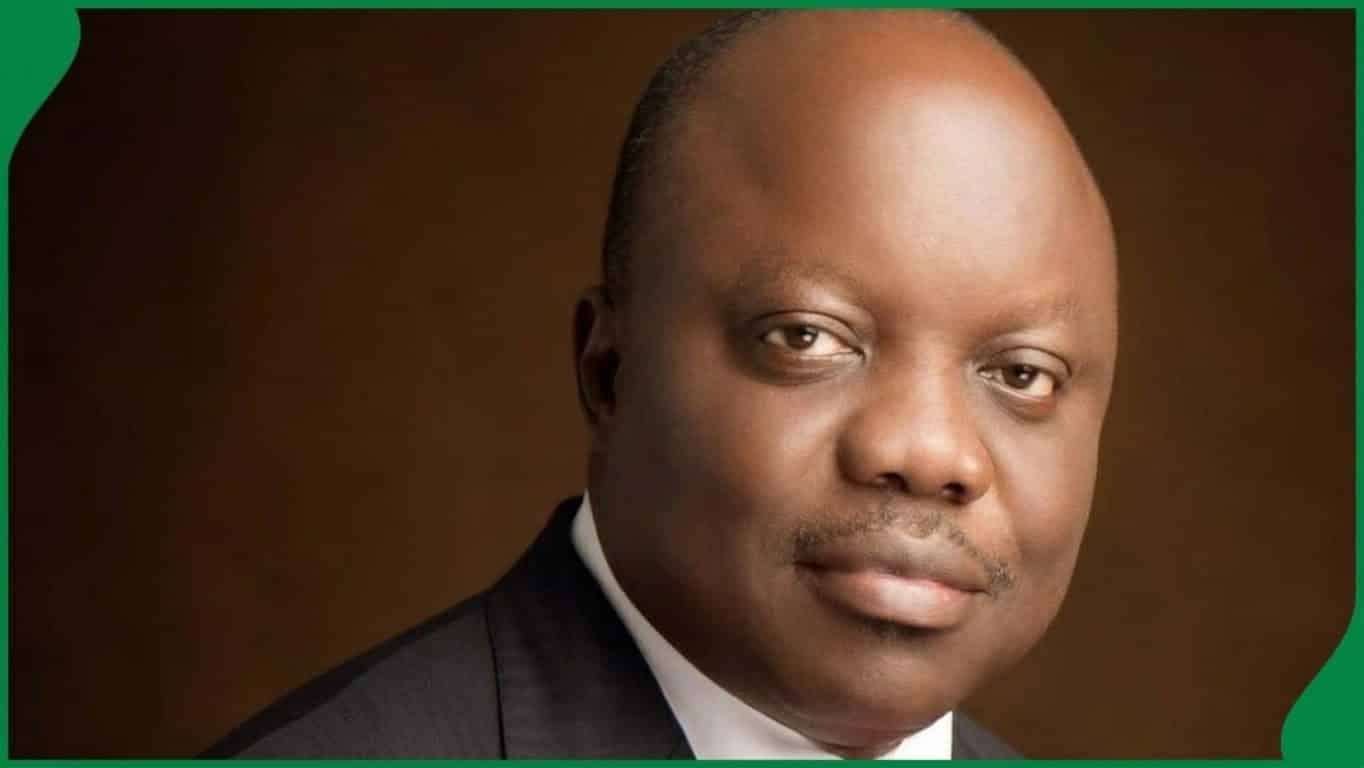
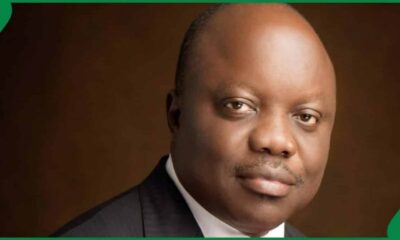
Former Delta State governor Emmanuel Uduaghan dies at 71

Former Delta State governor Emmanuel Uduaghan has died at 71 after a period of illness, with his family announcing his death on Monday. Uduaghan died this morning, Monday, October 19, 2026, at a hospital in Abuja, according to Channels Television, which cited a family member.

His death was announced in a statement signed by his son, Toju Anire Uduaghan, on behalf of the family. The family expressed profound grief over his passing, describing him as a beloved father, brother, uncle, and patriarch whose life and public service touched many people across Delta State and Nigeria.

“His passing has left us devastated. Words can hardly express the depth of our sorrow at the loss of a man who meant so much to our family and whose life and service touched countless others across Delta State and Nigeria,” the statement said.

The family also thanked God for his life and contributions to public service, while praying for comfort for relatives, friends, associates, and former colleagues mourning his death.

Uduaghan governed Delta State from 2007 to 2015, serving two consecutive terms. He succeeded James Ibori as governor and remained active in politics after leaving office.

Before becoming governor, he served as Delta State Commissioner for Health from 1999 to 2003. He later served as Secretary to the State Government from 2003 to 2007. A medical doctor by profession, Uduaghan held several public offices in Delta State before rising to the state’s highest political office. His death comes three days before his 72nd birthday, which would have been on October 22. The family has not announced funeral arrangements in the reports reviewed.

Continue Reading

News

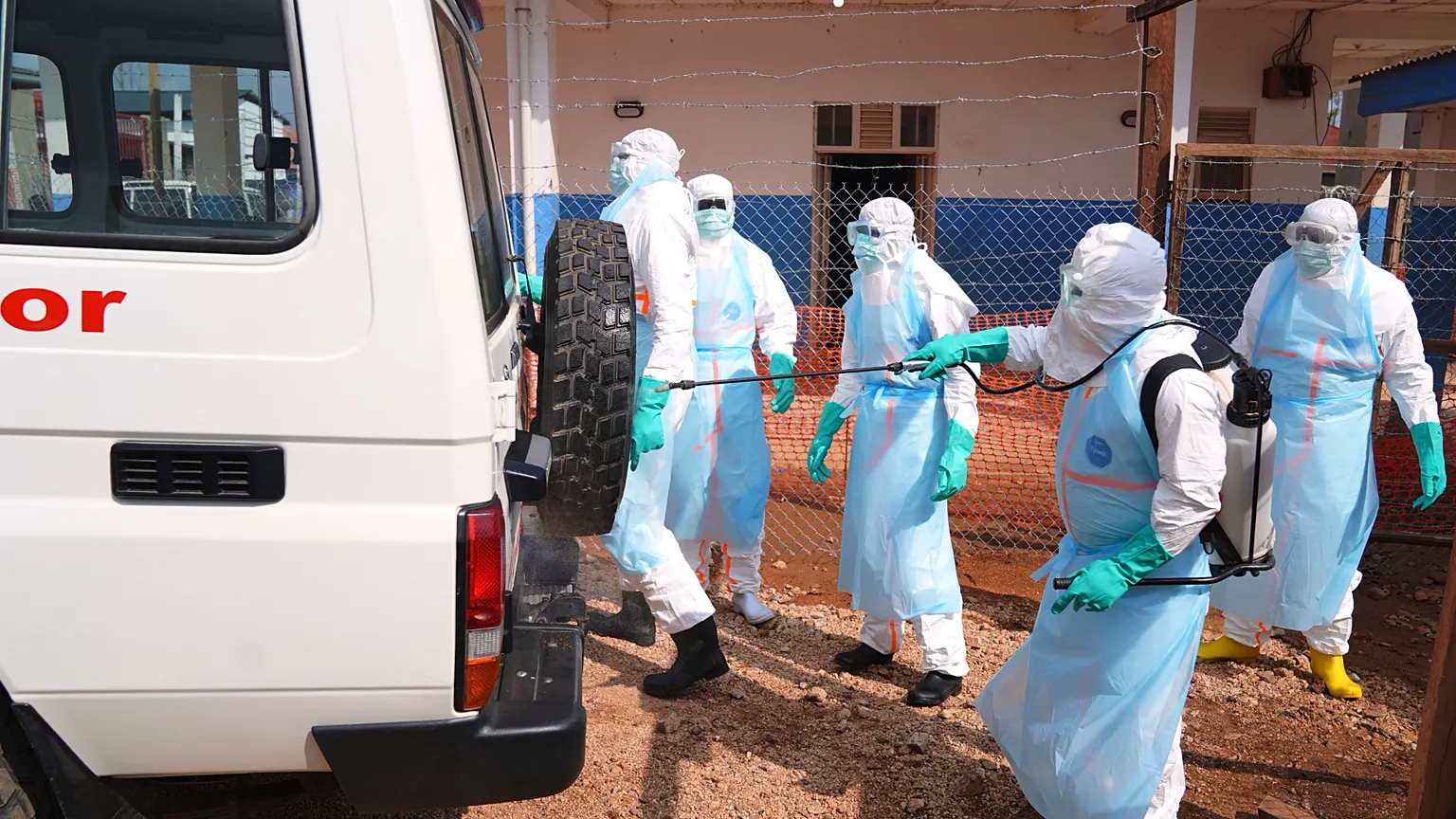
FG confirms Ebola case in FCT, begins 44 contact tracing

The Coordinating Minister of Health and Social Welfare, Muhammad Ali Pate, said laboratory tests confirmed the infection. Speaking at a media briefing in Abuja on Tuesday, Pate said the patient is a woman who recently travelled to Uganda in East Africa. She returned to Nigeria with symptoms on October 7, which worsened four days later before tests confirmed Ebola.

The minister said the Federal Ministry of Health, the Nigeria Centre for Disease Control and Prevention (NCDC), the FCT Health Services Secretariat, and other agencies are working together to stop the virus from spreading.

He said health officials had started tracing and monitoring people who might have been exposed to the patient. He urged those contacted, including relevant airline passengers, to provide the requested information and follow health officials’ instructions.

Pate also asked hospitals and other healthcare facilities nationwide to watch for suspected Ebola cases and report them quickly. He advised health workers to identify and isolate suspected patients promptly and follow strict safety measures.

He added that anyone who develops symptoms should avoid close contact with others and contact public health authorities for guidance before going to a hospital. The minister also warned Nigerians against spreading unverified information or stigmatising people who might have been exposed to the virus. He urged the public to rely on updates from official health authorities.

Continue Reading

Lifestyle

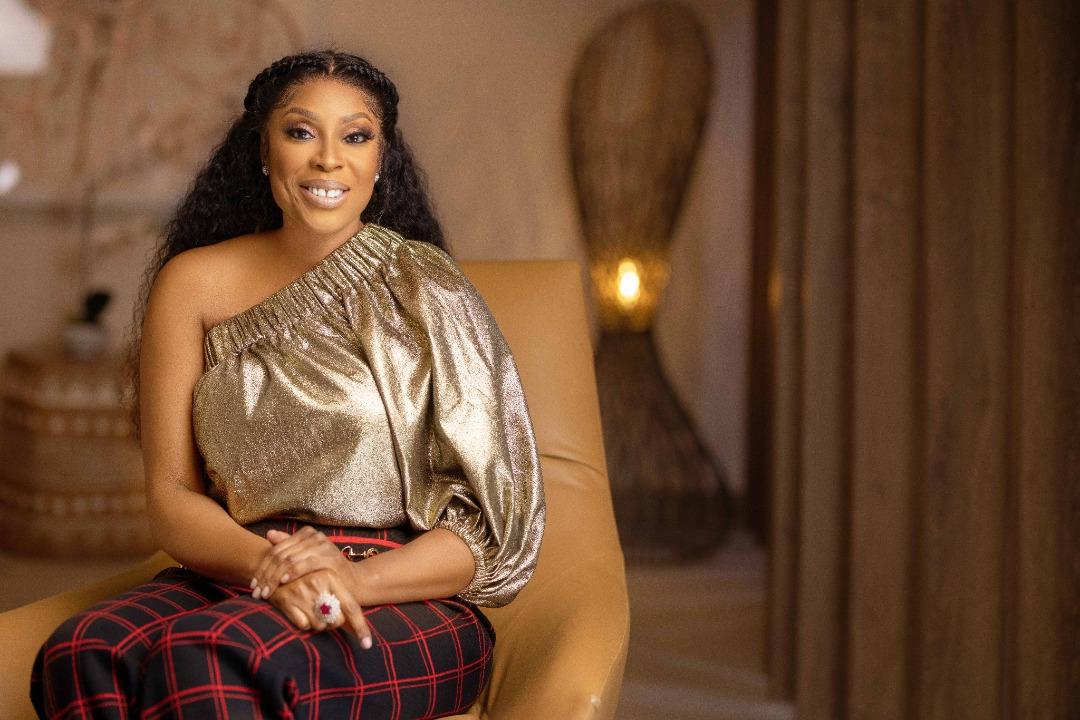
Mo Abudu Opens Ebony Life In London

Mo Abudu has opened a London cinema dedicated to African and Black films, saying her experiences growing up in England inspired her to help change perceptions of Africa.Abudu opened EbonyLife Place London on Thursday, 8 October, in south-west London near Nine Elms, with a 160-seat auditorium for films, performances and cultural events. AFP describes it as the UK’s first cinema dedicated exclusively to African and Black films. London Mayor Sadiq Khan joined the opening. The centre will also showcase African food and fashion.

Speaking in an interview with BBC Africa shared on X on Friday, Abudu recalled that when people were asked what came to mind at the word Africa, the answers she heard were “poverty” and babies with flies on their faces. She said those images came largely from what people read in newspapers and saw on television.

Growing up in England, she said, she found herself acting as an ambassador for everything African or Nigerian and was often asked “the most pathetic questions.” She said people sometimes said hurtful things and she learned to swallow them and move on. Racism is real, she said, and the way to deal with it is to offer a different narrative.

She described the cinema as a permanent, round-the-clock home for African and Black films, food and fashion. She stressed that it isn’t meant to keep those films off other platforms, but that because the community is underrepresented, it needs spaces where it feels safe and can share its own content while inviting the rest of the world in. The only way to do that, she said, is to be in charge of the narrative.

Membership will be open to everyone, with no ethnic or nationality restrictions, though details of the scheme have not been announced.

The programme is still being finalised, but Abudu has said it will include films from across Africa and movies that celebrate Black actors and storytelling, alongside the centre’s own productions and the next Black Panther film. She told AFP she would like to open a similar space in Paris, possibly through a partnership.

Continue Reading

Trending