As preparation for the 2023 general elections in Nigeria picks up speed, six duly registered political parties have indicated their interest to merge and form a mega party to challenge the two major political parties in the country – the People Democratic Party (PDP) and the All Progressives Congress (APC) – in the polls.
This was revealed by the former presidential candidate in the 2019 general elections and former Deputy Governor of the Central Bank of Nigeria (CBN) who is also contesting for the 2023 Presidential elections under the platform of the African Democratic Congress (ADC), Prof Kingsley Moghalu.
He spoke when he received the gubernatorial candidate of the ADC in the November 6 Anambra State governorship election, Nze Akachukwu Nwankpo. Moghalu believes that the change in tone by the National Assembly over the issue of electronic transmission of election results gives more hope for transparent elections in the country going forward.
“As concerns the National level the ADC is a very strong party that is growing stronger. It was founded in 2005 and it has been a consistent party. All their presidential candidates from Pat Utomi in 2007 to Dr. Obadiah Mailafiah in 2019 have been intellectuals.
“But the party is also very grassroots oriented. So the combination of ideas, intellect, and a grassroots approach to politics, that combinations I think is what marks out the ADC and we hope to be a key part of a much larger third force that is building up for the presidential elections which will include a merger of about six or seven or more parties.
Kingsley Moghalu said:
“So, I believe that in the 2023 elections the citizens of Nigeria should not allow it to be a contest between two sides of the same coin because there is no difference. It should be a battle between the old and the new – between the old Nigerian and the possibilities for a new Nigeria. That is what 2023 should be.
“I am calling on the young people of this country, the youths, to register, vote and colonize the future that rightfully belongs to them.
“Speaking about 2023, I am very pleased with the news coming out of the National Assembly that the Senate has caved to the pressure of the Nigerian people and has decided to allow INEC to conduct elections as it sees fit, which means the inclusion of electronic transmission of results.
“This is a massive victory for democracy and I believe that it shows what I have been saying that we cannot all go and sit down and become part of a surrendered brigade.
“As a member of the ADC, I support him I am very proud of Nze Akachukwu. I endorse his candidacy and I wish him the very best of success in the gubernatorial election.”
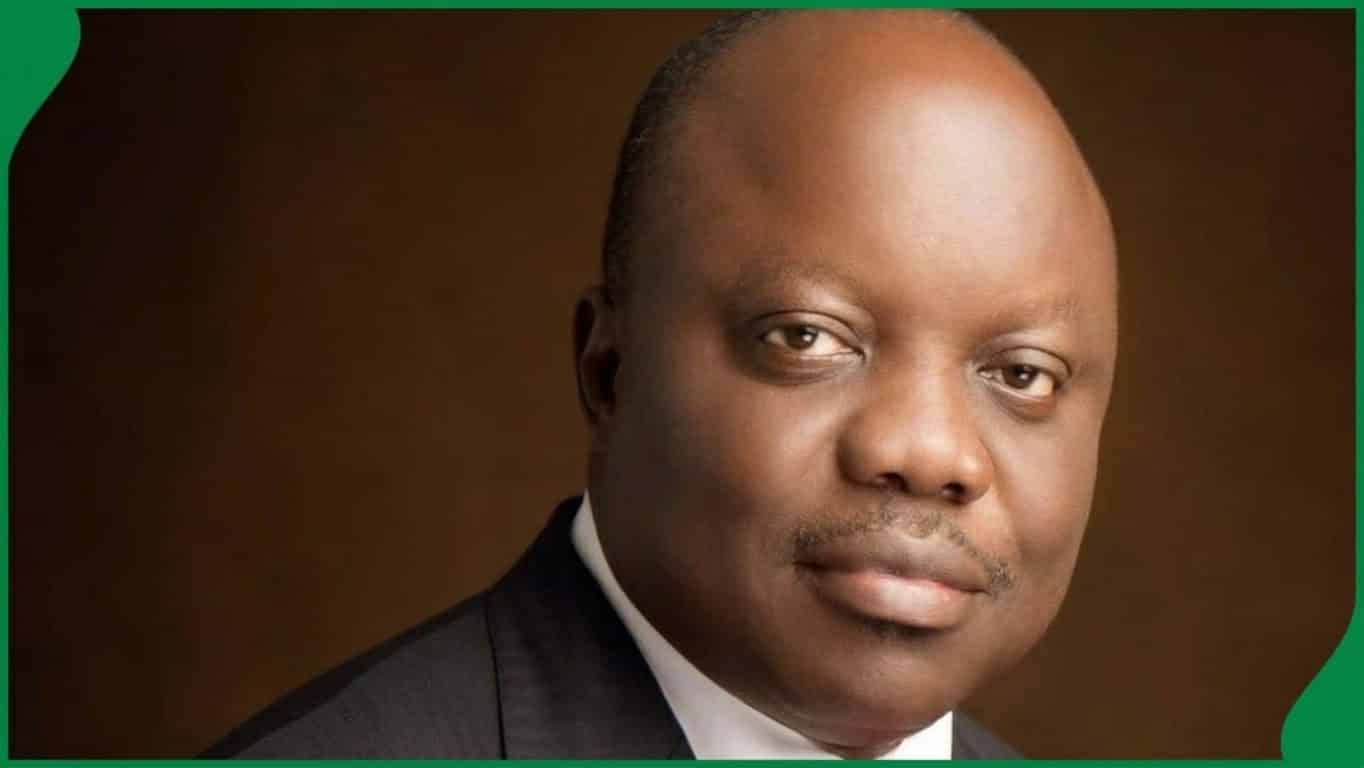
Former Delta State governor Emmanuel Uduaghan dies at 71
Former Delta State governor Emmanuel Uduaghan has died at 71 after a period of illness, with his family announcing his death on Monday. Uduaghan died this morning, Monday, October 19, 2026, at a hospital in Abuja, according to Channels Television, which cited a family member.
His death was announced in a statement signed by his son, Toju Anire Uduaghan, on behalf of the family. The family expressed profound grief over his passing, describing him as a beloved father, brother, uncle, and patriarch whose life and public service touched many people across Delta State and Nigeria.
“His passing has left us devastated. Words can hardly express the depth of our sorrow at the loss of a man who meant so much to our family and whose life and service touched countless others across Delta State and Nigeria,” the statement said.
The family also thanked God for his life and contributions to public service, while praying for comfort for relatives, friends, associates, and former colleagues mourning his death.
Uduaghan governed Delta State from 2007 to 2015, serving two consecutive terms. He succeeded James Ibori as governor and remained active in politics after leaving office.
Before becoming governor, he served as Delta State Commissioner for Health from 1999 to 2003. He later served as Secretary to the State Government from 2003 to 2007. A medical doctor by profession, Uduaghan held several public offices in Delta State before rising to the state’s highest political office. His death comes three days before his 72nd birthday, which would have been on October 22. The family has not announced funeral arrangements in the reports reviewed.
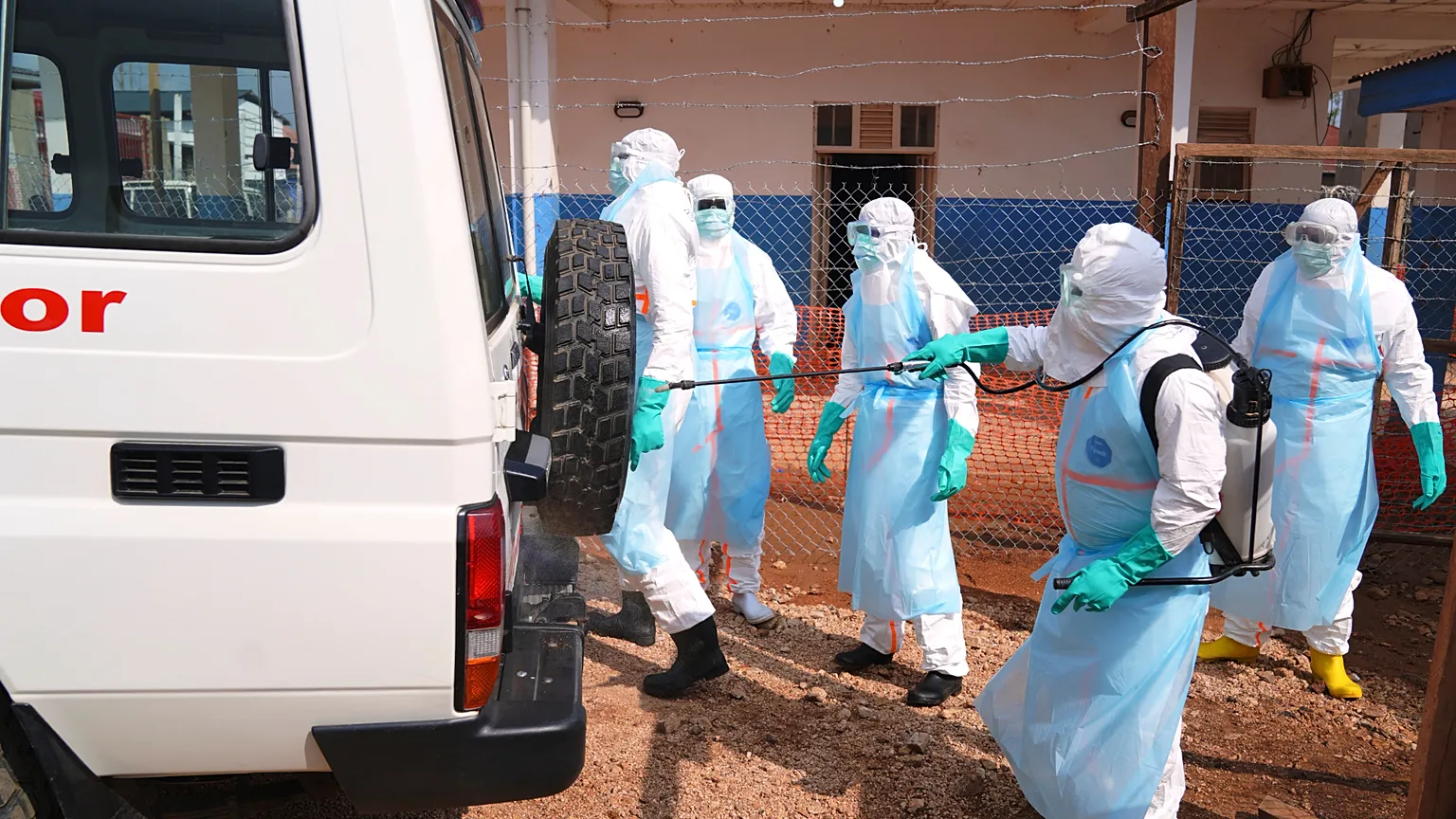
FG confirms Ebola case in FCT, begins 44 contact tracing
The Coordinating Minister of Health and Social Welfare, Muhammad Ali Pate, said laboratory tests confirmed the infection. Speaking at a media briefing in Abuja on Tuesday, Pate said the patient is a woman who recently travelled to Uganda in East Africa. She returned to Nigeria with symptoms on October 7, which worsened four days later before tests confirmed Ebola.
The minister said the Federal Ministry of Health, the Nigeria Centre for Disease Control and Prevention (NCDC), the FCT Health Services Secretariat, and other agencies are working together to stop the virus from spreading.
He said health officials had started tracing and monitoring people who might have been exposed to the patient. He urged those contacted, including relevant airline passengers, to provide the requested information and follow health officials’ instructions.
Pate also asked hospitals and other healthcare facilities nationwide to watch for suspected Ebola cases and report them quickly. He advised health workers to identify and isolate suspected patients promptly and follow strict safety measures.
He added that anyone who develops symptoms should avoid close contact with others and contact public health authorities for guidance before going to a hospital. The minister also warned Nigerians against spreading unverified information or stigmatising people who might have been exposed to the virus. He urged the public to rely on updates from official health authorities.
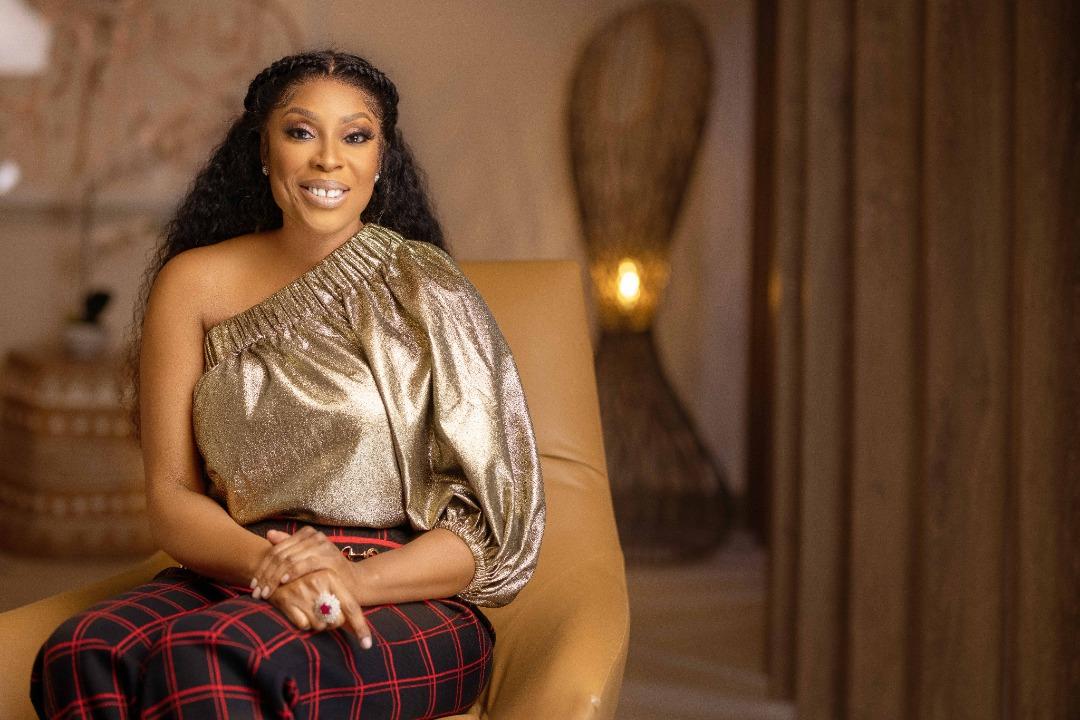
Mo Abudu has opened a London cinema dedicated to African and Black films, saying her experiences growing up in England inspired her to help change perceptions of Africa.Abudu opened EbonyLife Place London on Thursday, 8 October, in south-west London near Nine Elms, with a 160-seat auditorium for films, performances and cultural events. AFP describes it as the UK’s first cinema dedicated exclusively to African and Black films. London Mayor Sadiq Khan joined the opening. The centre will also showcase African food and fashion.
Speaking in an interview with BBC Africa shared on X on Friday, Abudu recalled that when people were asked what came to mind at the word Africa, the answers she heard were “poverty” and babies with flies on their faces. She said those images came largely from what people read in newspapers and saw on television.
Growing up in England, she said, she found herself acting as an ambassador for everything African or Nigerian and was often asked “the most pathetic questions.” She said people sometimes said hurtful things and she learned to swallow them and move on. Racism is real, she said, and the way to deal with it is to offer a different narrative.
She described the cinema as a permanent, round-the-clock home for African and Black films, food and fashion. She stressed that it isn’t meant to keep those films off other platforms, but that because the community is underrepresented, it needs spaces where it feels safe and can share its own content while inviting the rest of the world in. The only way to do that, she said, is to be in charge of the narrative.
Membership will be open to everyone, with no ethnic or nationality restrictions, though details of the scheme have not been announced.
The programme is still being finalised, but Abudu has said it will include films from across Africa and movies that celebrate Black actors and storytelling, alongside the centre’s own productions and the next Black Panther film. She told AFP she would like to open a similar space in Paris, possibly through a partnership.





Recent Comments