Connect with us

News

S.A Opposition leader Julius Malema sentenced to five years in prison over gun incident

A South African court has sentenced opposition leader Julius Malema to five years in prison after finding him guilty of illegally firing a rifle during a political rally, a ruling that could shake the country’s opposition politics.

Malema, leader of the Economic Freedom Fighters (EFF), was convicted on several firearm-related charges linked to a 2018 party rally in Mdantsane in the Eastern Cape, where he was filmed firing a semi-automatic rifle into the air in front of thousands of supporters.

The court found him guilty of unlawful possession of a firearm and ammunition, discharging a firearm in a built-up area, and reckless endangerment, offences that prosecutors argued posed a serious public safety risk.

During sentencing, the magistrate emphasised that public figures must respect the law and warned that celebratory gunfire could endanger lives. Prosecutors had pushed for a maximum 15-year sentence, arguing that leniency would set a dangerous precedent given Malema’s influence as a national political figure.

Malema’s legal team, however, argued that the act was symbolic and caused no harm, urging the court to impose a fine instead of prison time.

The outspoken politician has already vowed to appeal both the conviction and the sentence, insisting the case is politically motivated. If the sentence is upheld, the ruling could have major political consequences. Under South African law, a prison sentence exceeding 12 months without the option of a fine can disqualify a lawmaker from holding a parliamentary seat, potentially forcing Malema out of the National Assembly.

Malema, a former youth leader of the African National Congress before founding the EFF in 2013, has built a reputation as one of South Africa’s most controversial political figures. His party campaigns for radical economic reforms, including land redistribution without compensation and nationalisation of key industries.

Click to comment

Leave a Reply

Your email address will not be published. Required fields are marked *

News

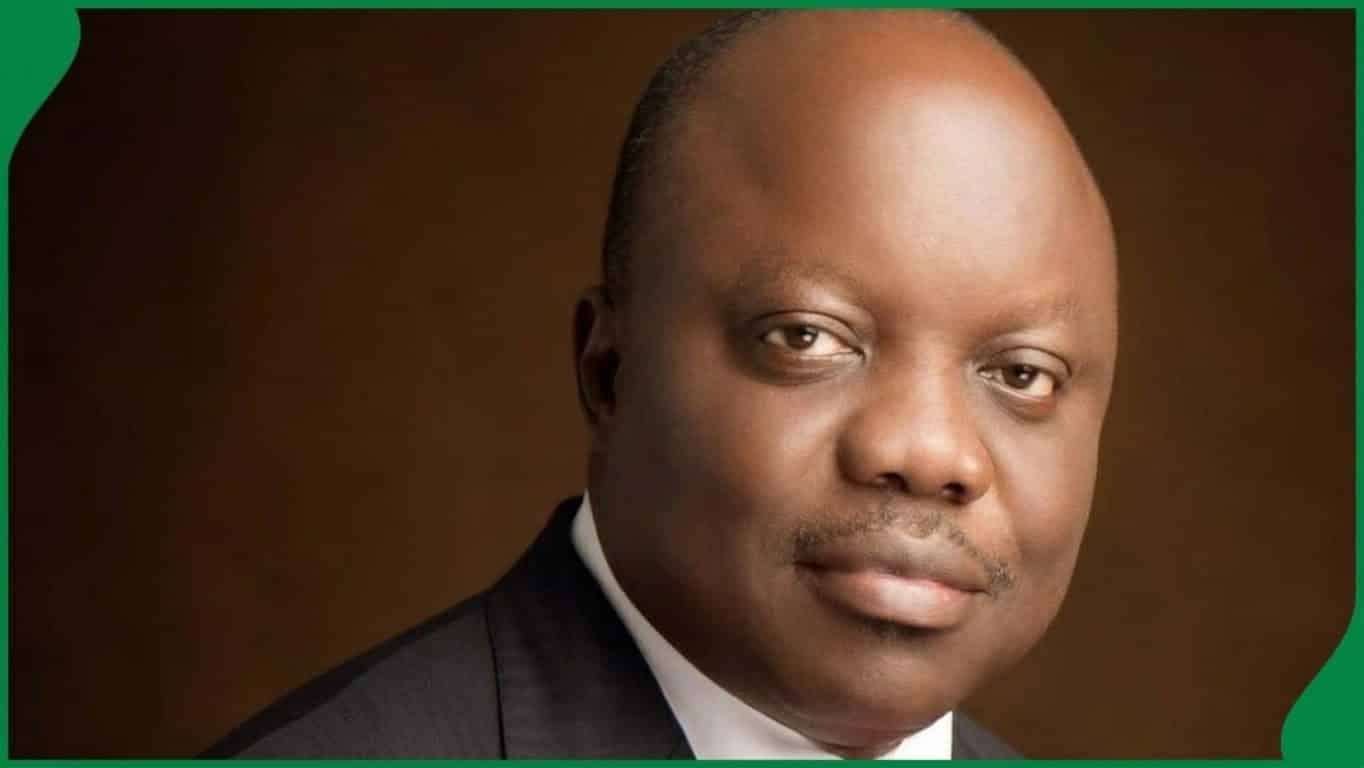
Former Delta State governor Emmanuel Uduaghan dies at 71

Former Delta State governor Emmanuel Uduaghan has died at 71 after a period of illness, with his family announcing his death on Monday. Uduaghan died this morning, Monday, October 19, 2026, at a hospital in Abuja, according to Channels Television, which cited a family member.

His death was announced in a statement signed by his son, Toju Anire Uduaghan, on behalf of the family. The family expressed profound grief over his passing, describing him as a beloved father, brother, uncle, and patriarch whose life and public service touched many people across Delta State and Nigeria.

“His passing has left us devastated. Words can hardly express the depth of our sorrow at the loss of a man who meant so much to our family and whose life and service touched countless others across Delta State and Nigeria,” the statement said.

The family also thanked God for his life and contributions to public service, while praying for comfort for relatives, friends, associates, and former colleagues mourning his death.

Uduaghan governed Delta State from 2007 to 2015, serving two consecutive terms. He succeeded James Ibori as governor and remained active in politics after leaving office.

Before becoming governor, he served as Delta State Commissioner for Health from 1999 to 2003. He later served as Secretary to the State Government from 2003 to 2007. A medical doctor by profession, Uduaghan held several public offices in Delta State before rising to the state’s highest political office. His death comes three days before his 72nd birthday, which would have been on October 22. The family has not announced funeral arrangements in the reports reviewed.

Continue Reading

News

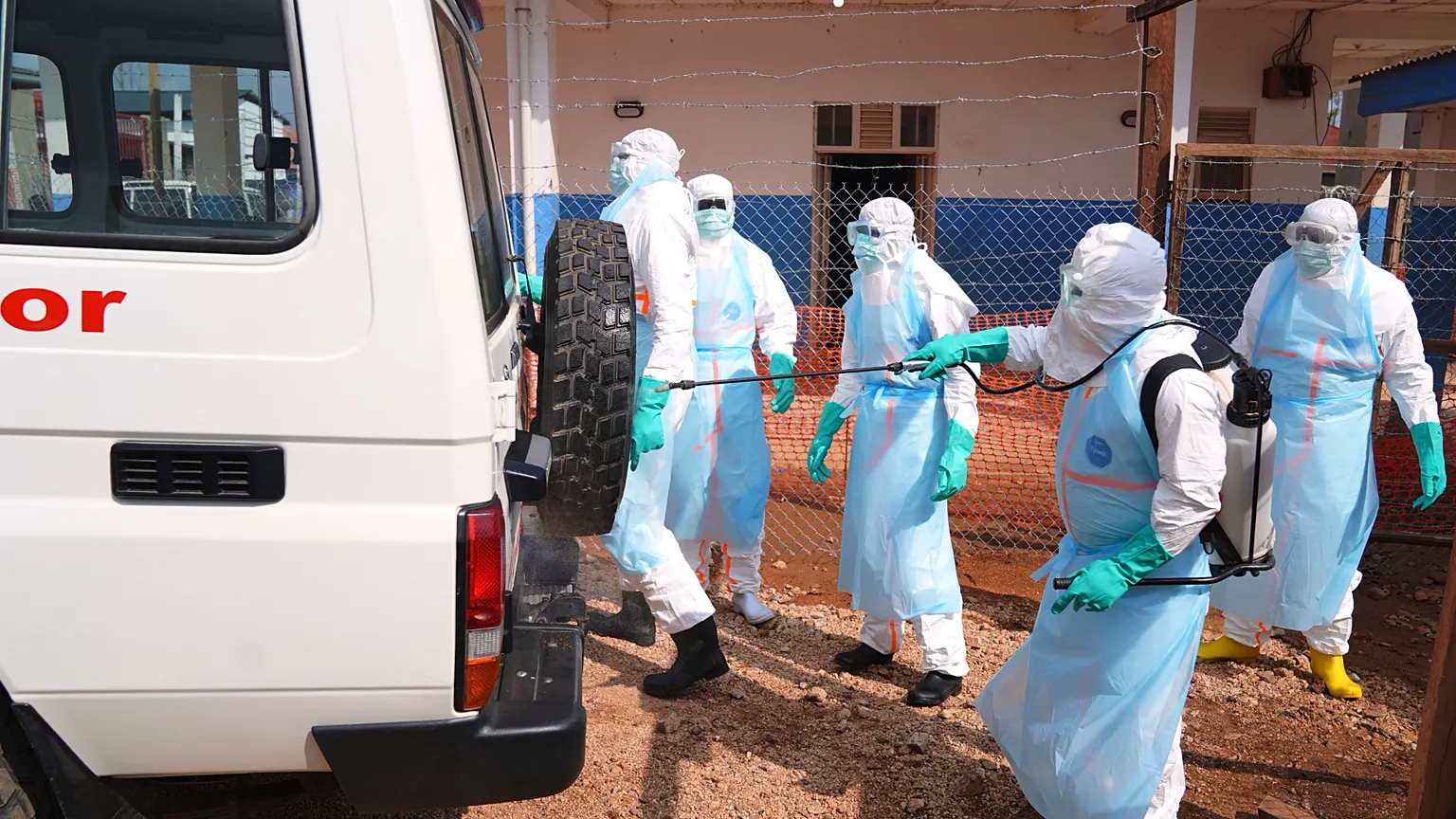
FG confirms Ebola case in FCT, begins 44 contact tracing

The Coordinating Minister of Health and Social Welfare, Muhammad Ali Pate, said laboratory tests confirmed the infection. Speaking at a media briefing in Abuja on Tuesday, Pate said the patient is a woman who recently travelled to Uganda in East Africa. She returned to Nigeria with symptoms on October 7, which worsened four days later before tests confirmed Ebola.

The minister said the Federal Ministry of Health, the Nigeria Centre for Disease Control and Prevention (NCDC), the FCT Health Services Secretariat, and other agencies are working together to stop the virus from spreading.

He said health officials had started tracing and monitoring people who might have been exposed to the patient. He urged those contacted, including relevant airline passengers, to provide the requested information and follow health officials’ instructions.

Pate also asked hospitals and other healthcare facilities nationwide to watch for suspected Ebola cases and report them quickly. He advised health workers to identify and isolate suspected patients promptly and follow strict safety measures.

He added that anyone who develops symptoms should avoid close contact with others and contact public health authorities for guidance before going to a hospital. The minister also warned Nigerians against spreading unverified information or stigmatising people who might have been exposed to the virus. He urged the public to rely on updates from official health authorities.

Continue Reading

Lifestyle

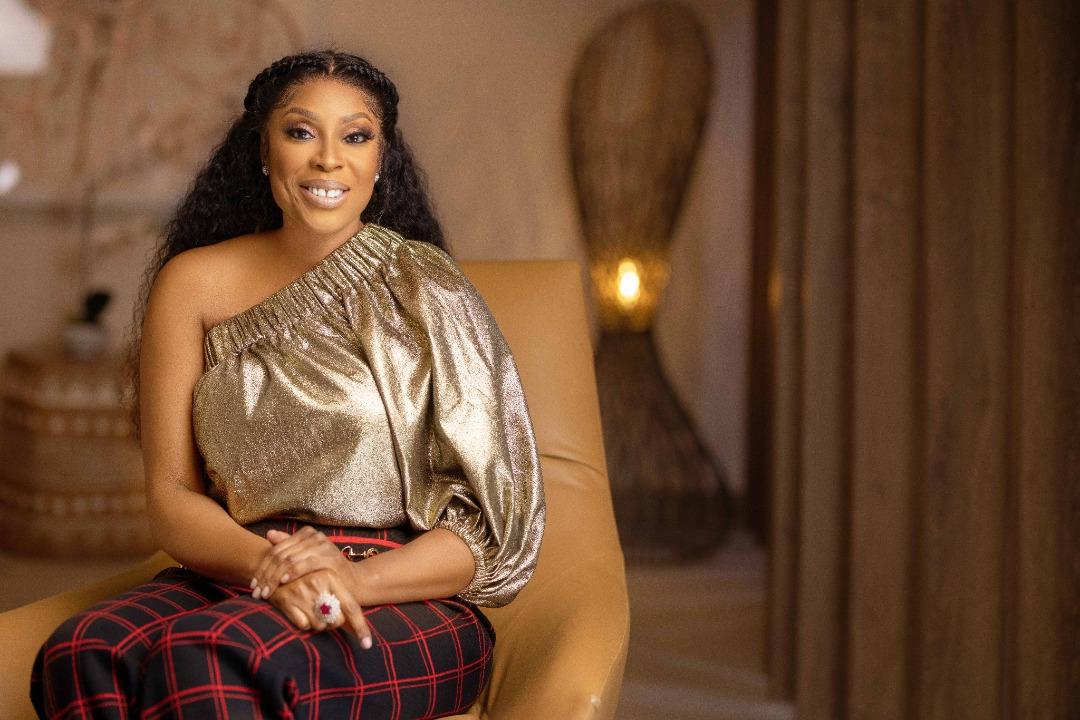
Mo Abudu Opens Ebony Life In London

Mo Abudu has opened a London cinema dedicated to African and Black films, saying her experiences growing up in England inspired her to help change perceptions of Africa.Abudu opened EbonyLife Place London on Thursday, 8 October, in south-west London near Nine Elms, with a 160-seat auditorium for films, performances and cultural events. AFP describes it as the UK’s first cinema dedicated exclusively to African and Black films. London Mayor Sadiq Khan joined the opening. The centre will also showcase African food and fashion.

Speaking in an interview with BBC Africa shared on X on Friday, Abudu recalled that when people were asked what came to mind at the word Africa, the answers she heard were “poverty” and babies with flies on their faces. She said those images came largely from what people read in newspapers and saw on television.

Growing up in England, she said, she found herself acting as an ambassador for everything African or Nigerian and was often asked “the most pathetic questions.” She said people sometimes said hurtful things and she learned to swallow them and move on. Racism is real, she said, and the way to deal with it is to offer a different narrative.

She described the cinema as a permanent, round-the-clock home for African and Black films, food and fashion. She stressed that it isn’t meant to keep those films off other platforms, but that because the community is underrepresented, it needs spaces where it feels safe and can share its own content while inviting the rest of the world in. The only way to do that, she said, is to be in charge of the narrative.

Membership will be open to everyone, with no ethnic or nationality restrictions, though details of the scheme have not been announced.

The programme is still being finalised, but Abudu has said it will include films from across Africa and movies that celebrate Black actors and storytelling, alongside the centre’s own productions and the next Black Panther film. She told AFP she would like to open a similar space in Paris, possibly through a partnership.

Continue Reading

Trending