Connect with us

Business

Nigeria remains the World Bank’s third-largest borrower with $18.5bn

e-Naira

Nigeria remains the World Bank’s third-largest borrower, with $18.5bn in debt exposure, as fresh data show the country’s reliance on concessional loans continues to rise amid economic reforms and infrastructure funding needs.

Nigeria has remained the third-largest borrower from the World Bank’s International Development Association (IDA), with the country’s debt exposure now standing at $18.5 billion as of March 31, 2026.

Fresh figures contained in the IDA’s March 2026 financial statements showed that Nigeria’s exposure dropped slightly from the $18.7 billion recorded in December 2025, representing a decline of about $200 million within three months.

Even with the slight quarterly drop, Nigeria’s debt to the World Bank has continued to rise on a yearly basis. The latest figure is about $1.2 billion higher than the $17.3 billion exposure recorded in March 2025, showing a 6.9 per cent increase over one year.

The new ranking places Nigeria behind Bangladesh and Pakistan among countries with the highest borrowing from the World Bank’s concessional lending arm. According to the report, Bangladesh remained the largest borrower with $22.7 billion exposure, while Pakistan followed with $19.2 billion. Nigeria came third with $18.5 billion.

Nigeria alone accounts for around eight per cent of the institution’s total loan portfolio and roughly 13.3 per cent of the combined exposure of the IDA’s ten largest borrowers.

The report further showed that the 10 largest borrowing countries account for about 60 per cent of the World Bank’s concessional lending exposure globally.

Nigeria’s rising exposure highlights the country’s growing dependence on multilateral financing to support infrastructure projects, social programmes, economic reforms and budget support amid ongoing fiscal pressures.

The Federal Government is also in talks with the World Bank for another fresh loan facility valued at $1.25 billion. If approved, total World Bank loan approvals secured by Nigeria since President Bola Ahmed Tinubu assumed office in May 2023 could rise to around $10.6 billion.

Click to comment

Leave a Reply

Your email address will not be published. Required fields are marked *

Business

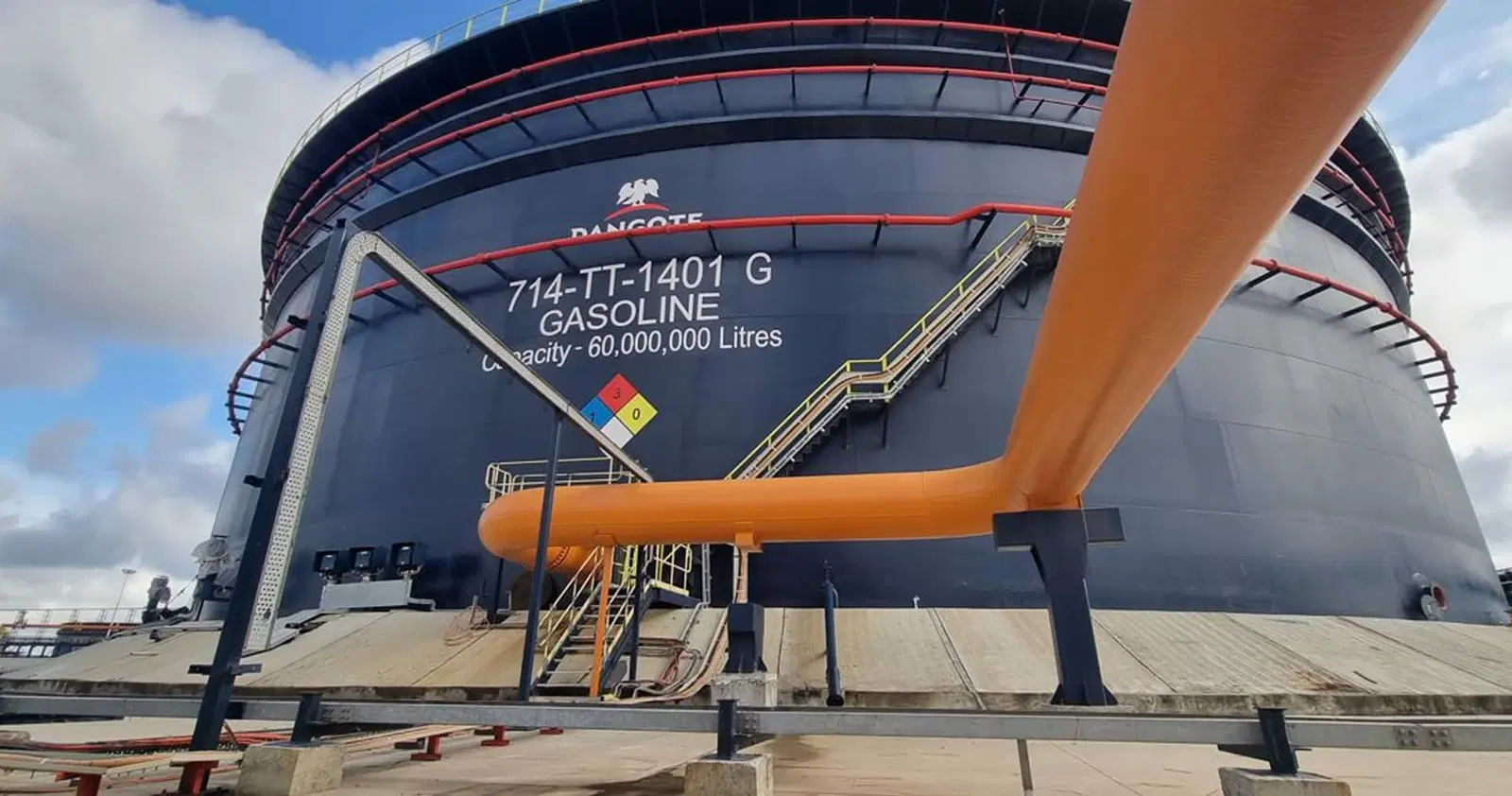
Dangote Refinery opens landmark IPO today to the investing public

Dangote Petroleum Refinery & Petrochemicals FZE today announced the commencement of its Initial Public Offering (IPO), marking a historic milestone in Nigeria’s economic development and the evolution of Africa’s capital markets. The offer will be formally launched at a ceremony on the trading floor of the Nigerian Exchange (NGX) in Lagos, bringing to the public, for the first time, an opportunity to own a stake in Africa’s largest refinery and one of the world’s most significant industrial projects.

The IPO, which opens today, September 14, 2026, consists of 4.1 billion new ordinary shares offered at N525 per share, with a minimum subscription of 10 shares valued at N5,250. The offer is expected to remain open until October 13, 2026, subject to the terms outlined in the Prospectus. The transaction is targeted at retail, institutional, and eligible African investors, reinforcing Dangote Refinery’s commitment to broadening ownership and deepening participation in Nigeria’s capital market.

The public offer is expected to raise approximately N2.15 trillion, making it one of the largest equity offerings ever undertaken in Africa. The proceeds will support the Refinery’s long-term growth plans, operational expansion, strategic investments, and the creation of additional value for shareholders and stakeholders alike.

Speaking on the significance of the IPO, President and Chief Executive of Dangote Industries Limited, Aliko Dangote, said: “Today marks the beginning of a new chapter in the history of Dangote Refinery and, indeed, in the economic future of our nation. This offering is about more than raising capital; it is about creating an opportunity for ordinary Nigerians, Africans, and investors across the globe to participate directly in one of the most transformative industrial projects ever built on the continent. We established this refinery to transform Africa’s energy landscape, create jobs, conserve foreign exchange, and unlock shared prosperity. With this IPO, we are extending that vision by democratising ownership and ensuring that millions of people can benefit from the value being created.

“We believe that broad-based ownership is one of the most effective ways to build wealth, strengthen the capital market, and accelerate economic inclusion. We invite investors to join us as partners in building a globally competitive enterprise that will continue to shape the future of energy, manufacturing, and economic development in Africa.”

According to Temi Popoola, Group Managing Director and Chief Executive Officer of Nigerian Exchange Group: “The launch of the Dangote Petroleum Refinery IPO is an important moment for Nigeria’s capital market, not simply because of the scale of the transaction, but because of what it represents.

“Our capital market must increasingly become a place where Nigerians can participate in the value created by our country’s most important businesses. That means broadening ownership, expanding access and creating stronger connections between Nigerian enterprise and Nigerian capital.

“At NGX Group, we have been deliberately building the infrastructure to make that possible. Through NGX Invest and connectivity across more than 50 distribution channels, including stockbrokers, banks and fintechs, we are making participation in the public market more accessible.

“This is how we build an ownership economy: strong Nigerian businesses accessing long-term capital, and more Nigerians having the opportunity to participate in their growth.”

Dangote Refinery has emerged as a strategic national asset, helping to strengthen energy security, reduce dependence on imported refined products, conserve foreign exchange, and position Nigeria as a major exporter of petroleum products. Since commencing commercial operations, the Refinery has supplied premium-quality petroleum products to domestic and international markets while supporting industrial growth and economic transformation across the region.

The company emphasised that participation in the offer has been designed to be accessible, transparent, and technology-enabled. Eligible investors can subscribe through approved distribution channels, including NGX Invest, designated commercial banks, and authorised investment platforms, subject to the provisions contained in the Prospectus.

As the commencement ceremony takes place on the floor of the Nigerian Exchange today, Dangote Refinery reaffirmed its commitment to operational excellence, corporate governance, sustainable growth, and long-term value creation for shareholders.

Continue Reading

Business

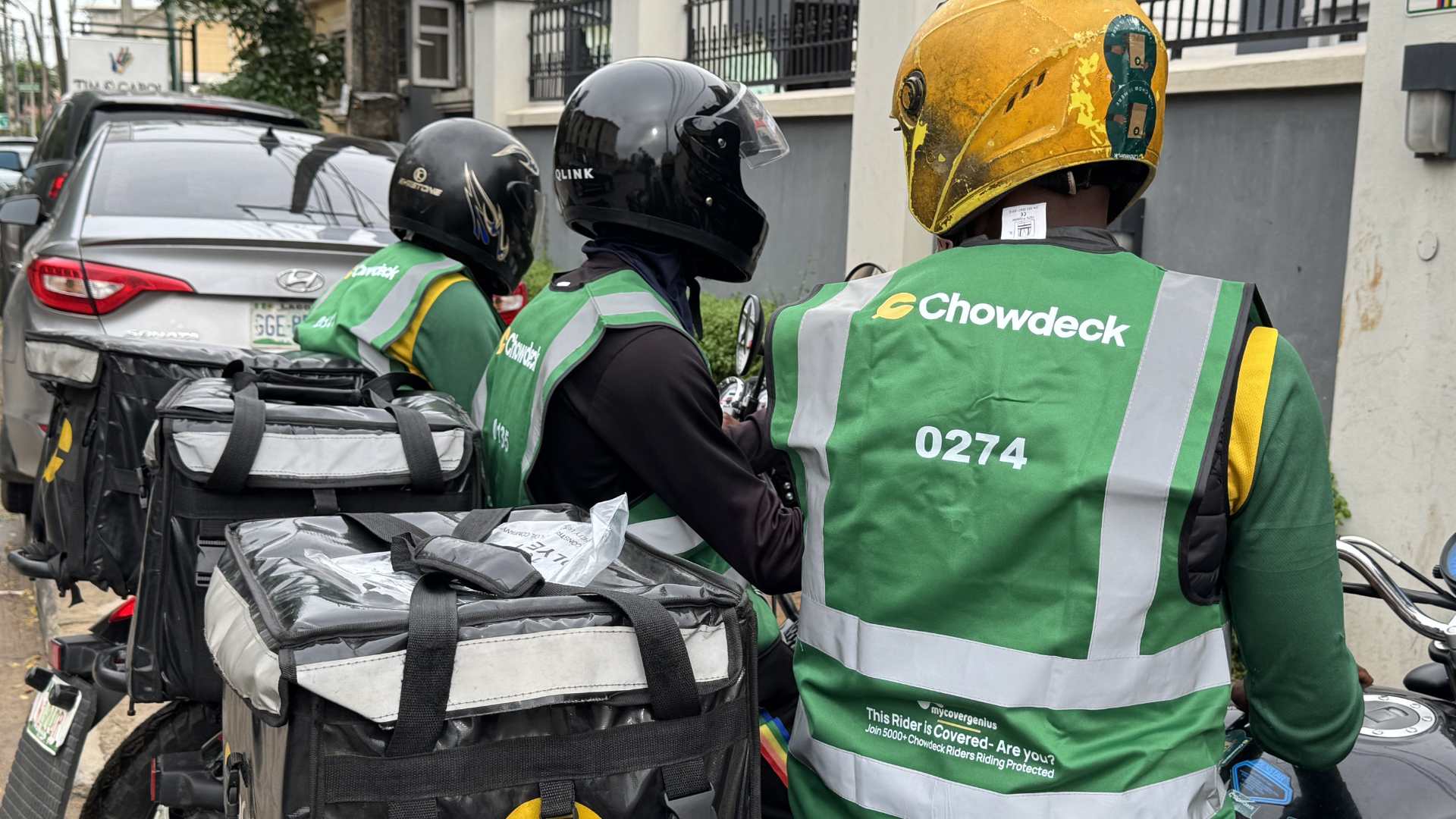
Chowdeck CEO says some drivers make at least ₦100,000 weekly, more than some doctors

Chowdeck CEO Femi Aluko said the average rider makes at least ₦100,000 a week from deliveries, with top-performing riders earning considerably more. Riding around Lagos to deliver food may seem like a simple hustle, but Chowdeck CEO Femi Aluko says the job can bring in considerably more than many people might expect.

In a Channels Television interview, Aluko said the average Chowdeck rider makes at least ₦100,000 a week, while the best-performing riders can earn considerably more. That would amount to about ₦400,000 over four weeks, but it is not a fixed salary or guaranteed monthly income.

According to Aluko, earnings depend largely on the number of deliveries a rider completes and the distance covered. He said riders could work for about 10 hours a day and complete around 10 to 15 deliveries, with more deliveries and longer distances potentially increasing their earnings.

The claim is not entirely out of line with accounts from riders. Recent reporting has found riders taking home roughly ₦80,000 to ₦120,000 a week, while some high performers have earned considerably more during particularly busy periods.

But those figures should be viewed as gross earnings rather than a guaranteed take-home salary. Aluko also acknowledged that riders have costs to deal with, including bicycle maintenance, even though maintaining a bicycle is cheaper than maintaining a power bike.

During the interview, the presenter mentioned a previous report suggesting that ride-hailing drivers could earn more than doctors.

Aluko agreed that this could happen, although he noted that the work also comes with additional costs.

Continue Reading

Business

You can now buy fuel on your phone and pump it yourself at selected NNPC stations

Select NNPC outlets will soon start allowing customers to pump their own fuel. The company is introducing a self-service option which allows customers at designated retail stations to pay for their own fuel through their mobile devices and dispense it themselves, instead of giving cash to an attendant.

NNPC Retail introduced the system with its new Smart Self-Service Station on Bill Clinton Drive, Airport Road, Abuja, on September 10, 2026. To use the self-service, customers will select how much fuel they want to buy through the NR fuel app, pay for the fuel, receive a code and use that code at the pump to start fuelling their vehicle.For drivers who have never used a self-service petrol station before, however, the process may take some getting used to.

The NR fuel app is the backbone of the entire process, as Customers will need it to use NNPC Retail’s digital fuelling system. The app is available on major mobile app stores, including the Google Play Store for Android phones and the App Store for iPhones, and allows customers to make fuel purchases digitally.

Once you’ve downloaded the app, you can go ahead to buy your fuel digitally; however, you cannot simply walk into any NNPC station and expect to use the self-service system because the service is currently available at selected stations. The pilot Smart Self-Service Station in Abuja, for instance, is one of the designated outlets. For ease of use, open the app, click on the dashboard, select a product, and click on ‘nearby station ‘.

You will find a list of selected stations near you that support the self-service options. Look for the distinct green “SELF-SERVE” badge next to a station’s name in the app to confirm they support the feature.

Continue Reading

Trending